
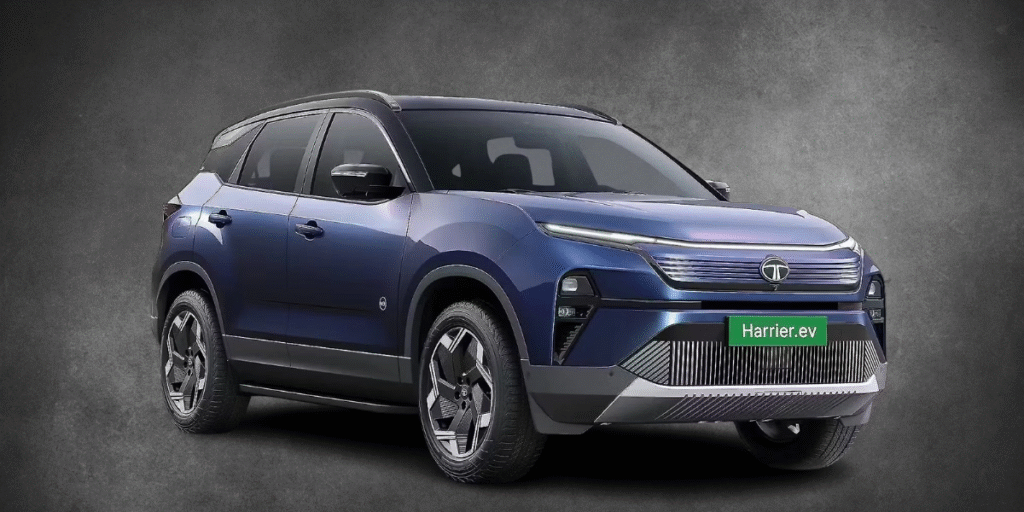
When you splash out nearly ₹28 lakh on a brand-new, feature-packed electric SUV, you expect smooth, whisper-quiet highway cruises and dependable daily commuting. However, the Tata Harrier EV Defect Case 2026 has raised concerns for some owners who expected a trouble-free driving experience. What you definitely don’t expect is getting stranded on the side of the road because your smart key refused to unlock the doors, or having the vehicle stall mid-drive in heavy traffic.
That nightmare scenario recently played out in real life for a Hyderabad-based business owner, leading to a landmark legal ruling. In September 2026, the District Consumer Disputes Redressal Commission-I in Hyderabad directed an authorized dealer, Tata Select Motors, to take back a defective Tata Harrier EV and issue a refund of roughly ₹23.98 lakh (calculated after applying a standard 10% depreciation deduction). On top of the refund, the court awarded ₹50,000 as compensation for mental agony and ₹15,000 towards legal expenses, bringing the total payout to ₹24.63 lakh.
This case has sparked intense debate across the Indian automotive landscape. Is it a sign of teething issues in modern high-tech EVs, or is it a crucial victory for everyday car buyers demanding accountability? Let’s break down the entire saga, look at the timeline of events, and unpack what this decision means for anyone buying a new electric vehicle.
The Backstory: A Dream Purchase Turned Headaches
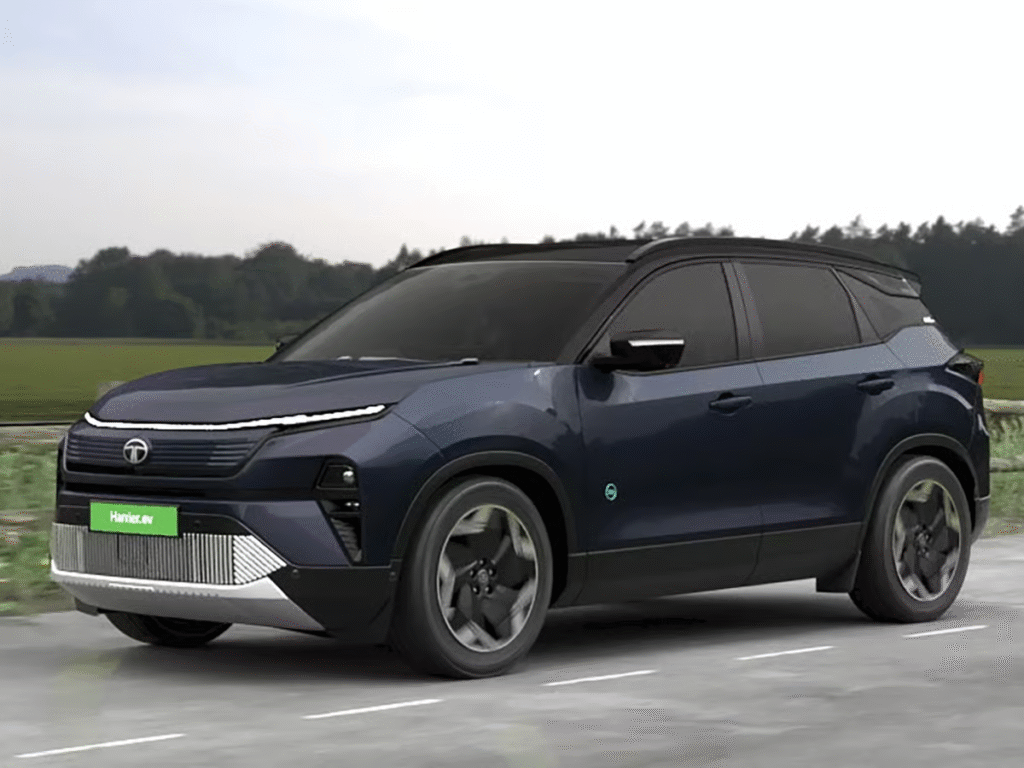
The case (Refrigeration Equipment and Solutions vs. Tata Select Motors) began on August 1, 2025, when the complainant bought a top-spec Tata Harrier EV Empowered + 75 APC for a total on-road price of ₹27,98,000. To fund the purchase, the owner took out a commercial auto loan, expecting the flagship electric SUV to deliver top-tier performance, range, and comfort.
Instead, the troubles started almost immediately after taking delivery:
- Smart Key & NFC Card Failures: The proximity smart key fob repeatedly went out of range or stopped responding. The central locking system frequently malfunctioned, refusing to unlock the car or lock it securely.
- Starting Troubles: The high-voltage system often refused to start or engage drive mode, leaving the driver stranded.
- Roadside Breakdown: On more than one occasion, the vehicle suffered sudden glitches mid-drive, cutting power in the middle of active traffic.
Over the next six months, the owner made repeated trips to the authorized service center. The dealership attempted various fixes—installing software updates, issuing gate passes to re-sync NFC cards, and replacing central locking hardware under warranty. Yet, every time the car was handed back, the same issues re-emerged days or weeks later.
Eventually, realizing that routine service visits weren’t offering a permanent solution, the owner filed a formal complaint with the Hyderabad Consumer Commission.
Timeline of Key Events
Vehicle Purchased & First Glitch
August 1, 2025
The buyer takes delivery of the Tata Harrier EV for ₹27.98 lakh. Service history shows starting and central locking complaints recorded on day one.
Key Fob & NFC Issues
September 5, 2025
Vehicle brought in again for locking failures. Service center issues gate passes to inspect the smart key fob and NFC card.
Recurring Lock Failures
December 25, 2025
Job cards log the “unable to lock/unlock” glitch as an existing, unresolved problem.
Drive Mode & System Malfunctions
February 23, 2026
Service records log starting glitches, drive-mode errors, and failing interior lights.
Consumer Commission Orders Refund
September 7, 2026
The District Consumer Commission rules in favor of the buyer, ordering a 10% depreciated refund plus ₹65,000 in costs.
Why the Consumer Court Ruled Against the Dealer
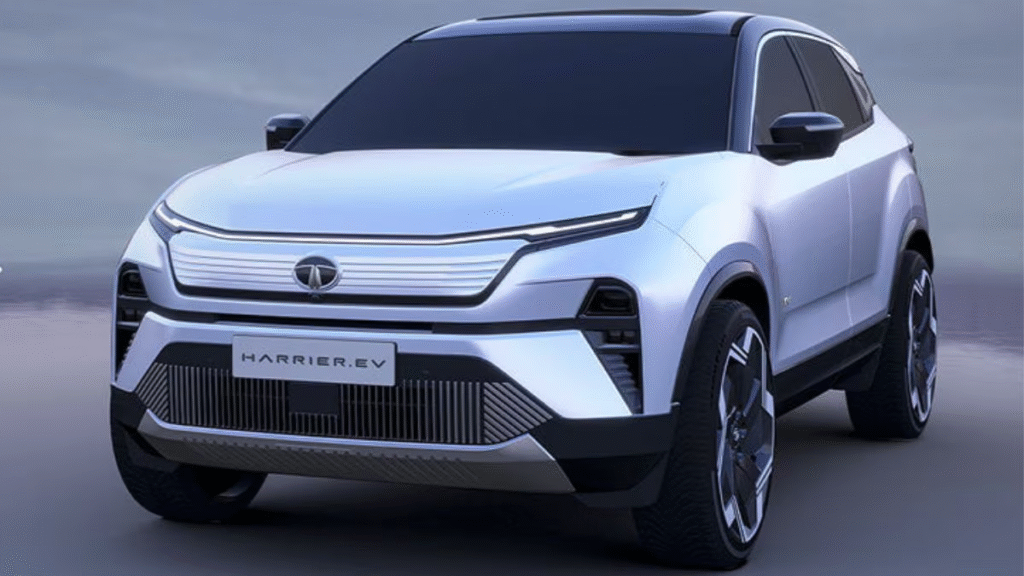
When the case reached the commission, the dealer mounted a multi-layered defense. Understanding why their arguments failed provides valuable insight into Indian consumer law.
Argument 1: “We are just the dealer, not the manufacturer!”
The dealership argued that as an authorized dealer and service center, it merely sells and maintains cars. It claimed the manufacturer—Tata Motors—should have been named as the primary party responsible for any alleged manufacturing defects.
Court’s Stance: The commission rejected this defense outright. It noted that the contract of sale was executed directly between the dealer and the buyer. Furthermore, the dealer failed to produce agreement documents showing the exact legal boundaries or delivery handoff dates from the manufacturer. Without those documents, the seller cannot shift liability when delivering a defective product.
Argument 2: “Where is the expert automobile engineer’s report?”
Under Indian consumer law, establishing a complex manufacturing defect usually requires an independent technical report from an accredited lab or automobile engineer. The dealer argued the complaint should be dismissed because no such expert testimony was provided.
Court’s Stance: The bench held that expert testimony was unnecessary in this case. Why? Because the dealer’s own service records and job cards served as irrefutable proof. The job cards explicitly logged recurring starting failures and locking glitches month after month, proving the defects persisted despite multiple repair attempts.
Breaking Down the Financial Relief
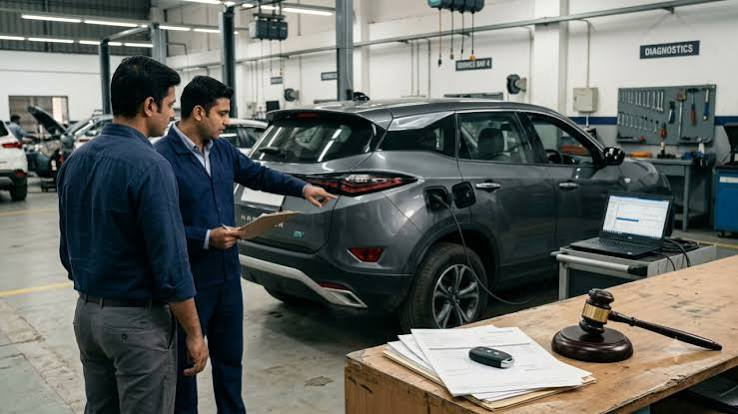
The complainant initially sought a full refund of ₹29.29 lakh, alongside ₹10 lakh for mental agony and an additional ₹10 lakh in punitive damages.
The commission noted that consumer compensation is meant to make an aggrieved party whole rather than provide an unearned windfall. It devised a structured payout:
| Component | Amount Claimed | Amount Awarded | Notes |
| Vehicle Refund | ₹29,29,395 | ₹23,98,285 | 10% depreciation deducted from the base cost (₹26.64 lakh). |
| Mental Agony Compensation | ₹10,00,000 | ₹50,000 | Awarded due to proven distress and loan interest burdens. |
| Litigation Costs | — | ₹15,000 | Covers legal fees incurred during proceedings. |
| Punitive Damages | ₹10,00,000 | ₹0 | Declined by the court. |
| Total Payout | ₹49.29 Lakh | ~₹24.63 Lakh | Return of vehicle required. |
The commission gave the dealer 45 days to comply. If the payout is delayed beyond this window, an interest rate of 9% per annum will apply from September 7, 2026, until the full amount is settled.
Does This Mean All Tata Harrier EVs Are Defective?
No, absolutely not. It is vital to separate an isolated legal case from a sweeping judgment on an entire vehicle lineup.
The Tata Harrier EV is built on Tata’s Acti.ev (or OMEGA-Arc derived) architecture, featuring advanced high-voltage software, dual electric motors (in QWD variants), and complex CAN-bus electronic control units. Modern electric cars are essentially high-powered computers on wheels. When software bugs or hardware handshakes go awry, they can cause frustrating, intermittent faults.
This specific court ruling applies only to the facts, evidence, and job card logs presented in this individual case. It does not declare a blanket recall or designate every Harrier EV on the road as defective. Thousands of EV owners drive similar vehicles daily without encountering these critical failures.
Practical Lessons for New EV Buyers
This case offers a valuable roadmap for anyone purchasing a modern car—electric or internal combustion engine (ICE). If your new vehicle develops persistent issues, follow these steps to protect your consumer rights:
- Never Accept Verbal Assurances: If a service advisor tells you, “Sir, it was just a small software glitch, don’t worry,” ensure every detail is written down on the official job card before you leave.
- Inspect Job Cards Line-by-Line: Make sure the technician logs the exact problem you reported (e.g., “Vehicle failed to start” or “Central locking unresponsive”) rather than vague notes like “General checkup.”
- Build a Paper Trail: Maintain a folder containing every work order, tax invoice, gate pass, email exchange, and WhatsApp chat with dealership managers.
- Document Intermittent Issues on Video: If your key fob fails or your screen freezes unexpectedly, record a short video on your smartphone showing the date and time.
- Formally Request Vehicle Replacement Early: If the same critical defect reoccurs 3–4 times within the warranty period, send a written letter or legal notice to both the dealer and the manufacturer requesting a replacement or refund before filing a consumer case.
FAQs
What was the core issue in the Tata Harrier EV consumer case?
The buyer experienced repeated, unresolved problems where the vehicle failed to start, the smart key went out of range, the central locking system malfunctioned, and the car stalled mid-drive.
How much money was the dealer ordered to pay back?
The court ordered a vehicle refund of approximately ₹23.98 lakh (after a 10% depreciation deduction from the base cost) plus ₹50,000 in compensation and ₹15,000 in legal fees, totaling roughly ₹24.63 lakh.
Why wasn’t an expert automobile engineer needed in this court case?
The commission ruled that an expert report wasn’t necessary because the dealer’s own service records and job cards clearly documented that the same defects persisted across multiple repairs over several months.
Does this court order mean every Tata Harrier EV owner can claim a refund?
No. Consumer commission orders are decided strictly on a case-by-case basis depending on individual service records, job cards, and evidence.
What should I do if my new car keeps having the same technical problem?
Keep physical and digital copies of all job cards, service gate passes, tax invoices, emails, and video proof of the issue. If the dealer fails to fix the problem repeatedly, consult a consumer rights lawyer or call the National Consumer Helpline at 1915.