
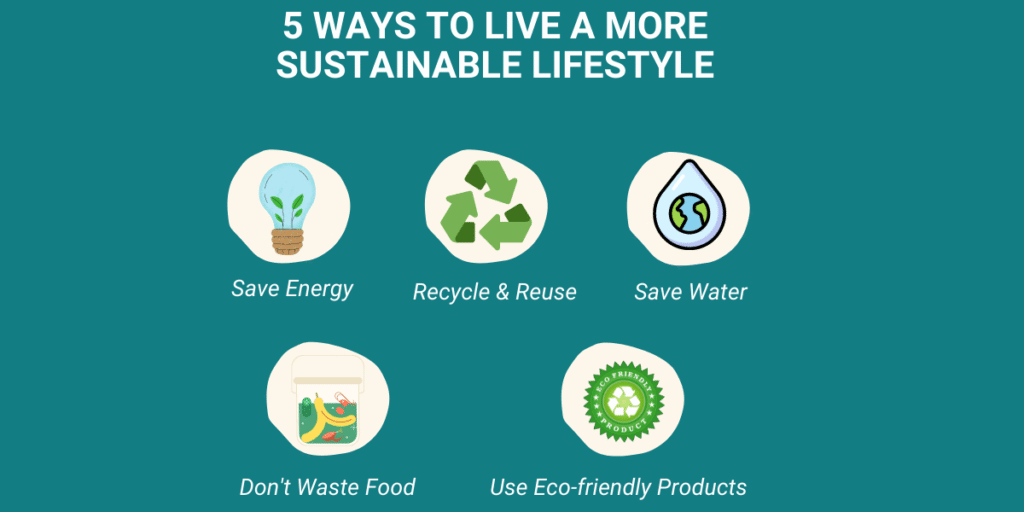
Remember sitting in a classroom as a kid, looking up at those colorful posters pinned to the wall?
“Switch off the lights when leaving the room.”
“Save every drop of water.”
“Say NO to plastic bags.”
Back then, most of us didn’t read those sentences thinking about global atmospheric conditions or carbon footprints. We read them because they were going to be on the science test next Tuesday. Or worse, we followed them because we didn’t want to get yelled at by a teacher or a parent. “Turn off that tap!” “Don’t leave the fan running!”
Then a funny thing happened over time: the fear faded, but the habit stayed.
Without even realizing it, you became someone who automatically flips off the light switch when leaving a room. That simple, almost sub-conscious instinct? That is the foundational root of sustainability.
In plain english: Sustainability isn’t about moving into a wooden cabin in the woods or completely overhauling your modern life overnight. It’s simply about using what we have responsibly today so that our kids and grandkids actually have resources left to thrive tomorrow.
Simple, right?
And here’s the best part: tiny, mindful habits—when multiplied by millions of ordinary people—create a massive, unstoppable ripple effect across the entire planet.
If your initial New Year’s resolutions have already started to slip, don’t stress. You don’t need a fresh calendar year to make a meaningful pivot. You don’t need perfection, either. Let’s look at practical, realistic, down-to-earth ways you can embrace a greener lifestyle starting right now.
Why the Urgency? (No, We Can’t Just ‘Think’ About It Anymore)

Look around. Summers seem to get hotter with every passing year. Rain patterns are totally unpredictable—flooding one month and scorching the next. Extreme weather events are no longer distant news stories happening on the other side of the globe; they’re happening in our own backyards.
Glaciers are retreating, oceans are warming, and natural resources are being depleted faster than Earth can replenish them.
Do we still have the luxury of sitting back, stroking our chins, and “thinking” about eco-friendly choices?
Honestly? No.
The time for abstract debate is over. The time for everyday action is here. But “action” doesn’t mean you have to feel overwhelmed. It just means picking a few smart habits, integrating them into your routine, and moving forward step by step.
7 Easy Everyday Green Living Practices
To make sustainability feel manageable, let’s start with seven core practices that easily integrate into any busy schedule.
+-----------------------------------------------------------------------+
|                       7 DAILY GREEN HABITS                            |
|                                                                       |
|   1. Eco Celebrations  ---> Ditch single-use plastic décor            |
|   2. Go Local          ---> Support nearby markets & cut transit emissions|
|   3. Water Mindful     ---> Turn off taps; reuse kitchen water        |
|   4. Smart Energy      ---> Use LEDs, kill standby power              |
|   5. Reusable Basics   ---> Keep bags & bottles in daily rotation     |
|   6. Minimalism        ---> Buy fewer, higher-quality items           |
|   7. Conscious Eating  ---> Try a few plant-focused meals weekly      |
+-----------------------------------------------------------------------+
1. Celebrate with Eco-Friendly Décor

Parties, holidays, and family gatherings are wonderful, but they leave behind mountains of trash. Shiny metallic streamers, plastic balloons, and synthetic glitter stick around in landfills for hundreds of years.
- What to do: Swap out synthetic decorations for fresh natural flowers, clay diyas (lamps), fabric banners, or homemade paper crafts.
- Why it works: Natural items decompose gracefully without poisoning the soil or polluting local waterways. Plus, handcrafted décor gives your celebrations a unique, warm charm that cheap plastic just can’t match.
2. Shop Local and Support Your Community
When you buy a piece of fruit or a shirt imported from across the globe, it carries a heavy environmental baggage: shipping fuel, aviation emissions, and layers of plastic packaging.
- What to do: Buy your veggies from nearby farmers’ markets and check out local independent shops for clothes and home goods.
- Why it works: You instantly cut down on transport-related carbon emissions, keep money circulating within your local economy, and usually get fresher, higher-quality products as a result.
3. Practice Active Water Conservation
It’s easy to treat clean water like an endless resource when it flows right out of the tap. But freshwater is surprisingly scarce.
- What to do: Turn off the tap while brushing your teeth or washing dishes. Fix that dripping faucet you’ve been ignoring for weeks. Collect leftover water from washing vegetables or cooling boiled eggs and dump it into your potted plants.
- Why it works: Fixing a single leaky pipe can save hundreds of gallons of water every month with virtually zero ongoing effort on your part.
4. Upgrade to Energy-Efficient Living
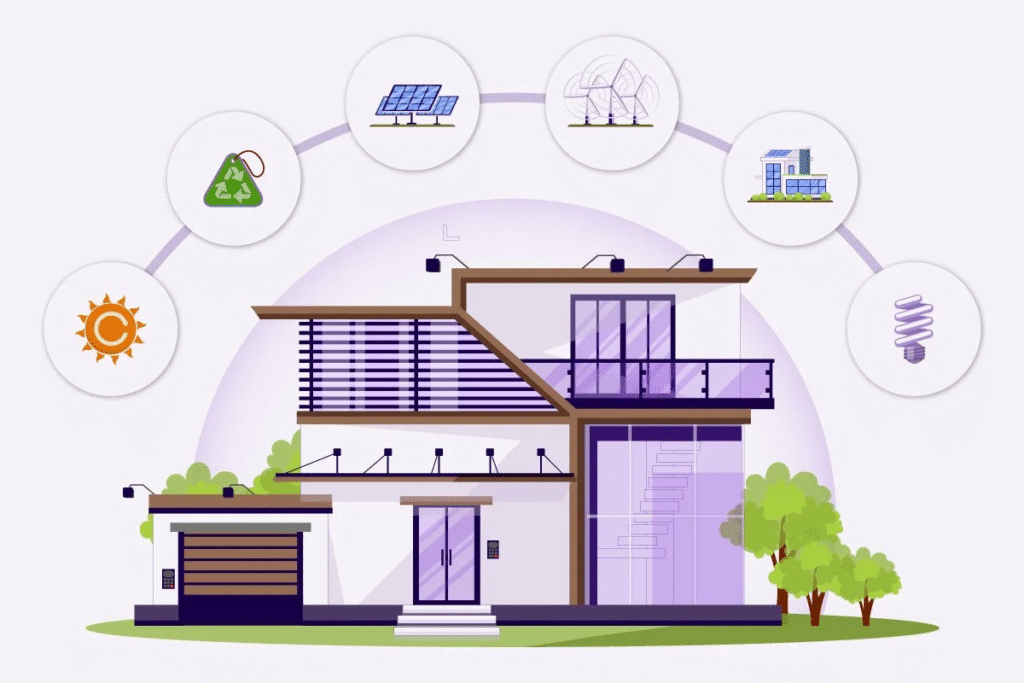
Saving energy around the house isn’t just great for the environment—it directly slashes your monthly utility bills.
- What to do: Swap out old incandescent bulbs for energy-saving LEDs. Unplug chargers and appliances when they aren’t actively being used (they still draw “phantom power” in standby mode!). If it fits your budget, look into solar solutions for water heating or home power.
- Why it works: LED bulbs use up to 75% less energy and last significantly longer than old-school lighting.
5. Build a Practical “Go-Bag” Habit
How many times have you reached the grocery checkout only to realize you forgot your cloth bags in the car or at home?
- What to do: Keep 2–3 foldable canvas bags inside your backpack, purse, or near your front door. Keep a durable stainless steel water bottle in your vehicle or work tote at all times.
- Why it works: Single-use plastic bags and disposable water bottles are among the top pollutants in our oceans. Having reusables pre-packed makes saying “no thanks” to plastic effortless.
6. Embrace Minimalism: Choose Quality Over Quantity
Our culture constantly pressures us to buy more, upgrade faster, and hoard stuff we rarely use. Minimalism pushes back against that noise.
- What to do: Pause before buying something new and ask: “Do I genuinely need this, or will it end up in a closet in two months?” When you do buy, pick well-made, durable items instead of cheap, throwaway alternatives.
- Why it works: Consuming less cuts down waste at the source—before manufacturing, packaging, or shipping even take place.
7. Introduce Plant-Forward Meals


You don’t need to transform into a strict vegan overnight to help the planet. Livestock production requires immense land, water, and energy resources.
- What to do: Designate one or two days a week for meat-free meals (like “Meatless Mondays”). Build meals around beans, lentils, fresh seasonal vegetables, and grains.
- Why it works: Shifting even a fraction of your weekly diet toward plant-based foods meaningfully reduces your personal water and carbon footprint over the course of a year.
10 Practical Tips to Live More Sustainably
If you want a quick, actionable checklist to keep you grounded, keep these ten golden rules in mind:
- Buy Less, Choose Well: Prioritize timeless, sturdy items over cheap, impulse buys that break after three uses.
- Make Second-Hand Your First Pick: Thrift stores, online resale platforms, and vintage shops are treasure troves for clothes, furniture, and books.
- Fight Food Waste: Plan your meals before going grocery shopping, store produce properly so it lasts longer, and turn dinner leftovers into tomorrow’s lunch.
- Use Reusables Consistently: A reusable coffee mug only helps the environment if you actually bring it to the coffee shop!
- Master Local Recycling Rules: Take five minutes to read your local waste collection guidelines. Placing non-recyclables into the green bin can contaminate an entire load of clean recyclables.
- Ditch Fast Fashion: Learn simple clothing repairs—like sewing on a missing button or patching a minor tear—rather than throwing damaged clothes directly into the trash.
- Optimize Home Heating and Cooling: Adjust your thermostat by just 1–2 degrees, seal drafty windows, and let natural sunlight warm your space in the winter.
- Rethink Your Commute: Whenever possible, walk, ride a bike, carpool, or take public transit instead of driving alone in a car.
- Support Conscious Brands: Spend your money with companies that actively prioritize ethical manufacturing, fair wages, and sustainable packaging.
- Focus on Progress, Not Perfection: Don’t stress over failing to live a 100% waste-free life. Focus on making better choices today than you did yesterday.
Progress over Perfection: The Mindset Shift
It’s easy to look at social media influencers who fit an entire year’s worth of trash into a single glass jar and feel totally inadequate.
Here’s a secret: We don’t need a handful of people doing zero-waste perfectly. We need millions of people doing eco-friendly living imperfectly.
+---------------------------------------------------------------------+
|                      THE SUSTAINABILITY SPECTRUM                    |
|                                                                     |
|  [PERFECTION TRAP]                                   [REAL IMPACT]  |
|  Zero waste, 100% plastic-free,       VS.       Millions of people  |
|  stressful, impossible for most                 doing small habits  |
|  people to maintain long-term                   consistently daily  |
+---------------------------------------------------------------------+
If you accidentally forget your cloth bag at the store, don’t throw in the towel and give up on green living altogether. Just take the paper or plastic bag, recycle it properly later, and remind yourself to pop the cloth bags back into your coat pocket for next time.
Consistency beats intensity every single time. Small, realistic changes built over months turn into lifelong habits that stick—just like switching off that classroom light switch did years ago.