

Remember back in school when we turned off the classroom lights or cleared every bite off our lunch trays simply because we were afraid of getting scolded by a teacher? We did not view ourselves as environmental heroes back then; we were just trying to avoid trouble.
Over time, those forced rules quietly turned into natural, everyday habits. Without even realizing it, we were practicing sustainability.
At its core, sustainability is not a complicated scientific concept reserved for activists or policy experts. In plain terms, sustainability means using Earth’s resources responsibly today so that future generations can thrive tomorrow. It is about striking a healthy balance between what we consume and what the planet can naturally replenish.
The best news? You do not need to overhaul your entire lifestyle overnight, buy a brand-new electric car, or move off the grid to make an impact. Small, daily choices accumulate over time. When millions of people adopt tiny, mindful changes, the combined effect creates a massive positive ripple for our environment.
Whether you are looking to build greener habits this year or preparing for major milestones like Earth Day, here is a complete, practical guide to living more sustainably every single day.
1. Simple Energy Efficiency Hacks at Home
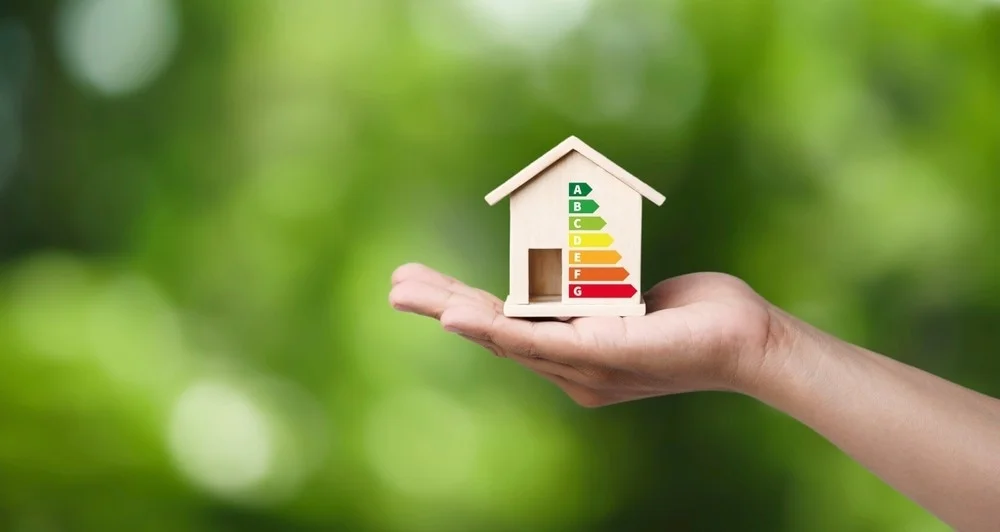
Energy production remains one of the largest global sources of greenhouse gas emissions. Managing how you power your home directly reduces your carbon footprint while lowering your monthly electricity bills.
| Energy Drain | Immediate Daily Habit | Long-Term Solution |
| Phantom Loads | Unplug chargers, game consoles, and microwaves when not in use. | Install smart power strips that auto-cut power to idle electronics. |
| Inefficient Lighting | Turn off lights every time you step out of a room. | Switch all traditional bulbs to energy-saving LEDs. |
| High Laundry Power | Wash full loads using cold water instead of hot. | Line-dry clothes outdoors or upgrade to an Energy Star dryer. |
Eliminate “Phantom Energy”
Even when turned off, many electronics quietly draw power simply by staying plugged into the outlet. Known as “phantom load” or standby power, devices like TVs, coffee makers, and phone chargers drain electricity 24 hours a day. Get into the habit of unplugging appliances before heading to work or going to sleep.
Switch to LED Lighting
If you are still using older incandescent lightbulbs, replacing them is one of the easiest home upgrades available. LED bulbs consume up to 80% less energy than standard bulbs and last up to 25 times longer, saving you money on replacements and electricity.
2. Conserving Water: Protecting Every Precious Drop

Freshwater is a finite resource. While it often feels like water flows endlessly from our faucets, over two billion people worldwide live in areas facing severe water stress. Saving water at home protects fragile freshwater ecosystems and reduces the heavy energy required to treat and pump municipal water.
- Shut Off Taps While Brushing: Leaving the tap running while brushing your teeth can waste up to four gallons of water every single time. Turning it off while you brush is a simple habit with an immediate payback.
- Fix Leaks Immediately: A single dripping faucet can waste hundreds of gallons of water over a few months. Check under your kitchen and bathroom sinks regularly and swap out worn washers right away.
- Reuse Kitchen Wastewater: The water you use to rinse vegetables, boil eggs, or wash rice does not need to be wasted down the drain. Collect it in a basin and use it to water your indoor potted plants or outdoor garden beds.
- Install Low-Flow Aerators: Screwing inexpensive aerators onto your faucets cuts down overall water volume while maintaining comfortable water pressure.
3. Sustainable Eating and Smart Grocery Shopping
What we put on our plates has a direct impact on planetary health. Agriculture accounts for a massive portion of global land use, freshwater consumption, and overall greenhouse gas emissions.
                  [ Mindful Food Choices ]
                             │
     ┌───────────────────────┼───────────────────────┐
     ▼                       ▼                       ▼
Plant-Rich Meals     Zero Food Waste          Local Produce
(Cuts Methane)       (Prevents Landfill Gas)  (Saves Food Miles)
Adopt a Plant-Rich Diet
You do not have to go completely vegan overnight to make a real difference. Animal agriculture—especially beef and dairy farming—requires vast amounts of land, water, and feed while generating significant methane emissions.
Try introducing “Meatless Mondays” or swapping out meat for plant-based proteins like lentils, chickpeas, black beans, and mushrooms a few nights a week. Shifting even a fraction of your weekly meals lightens overall agricultural pressure on the environment.
Stop Food Waste Before It Starts
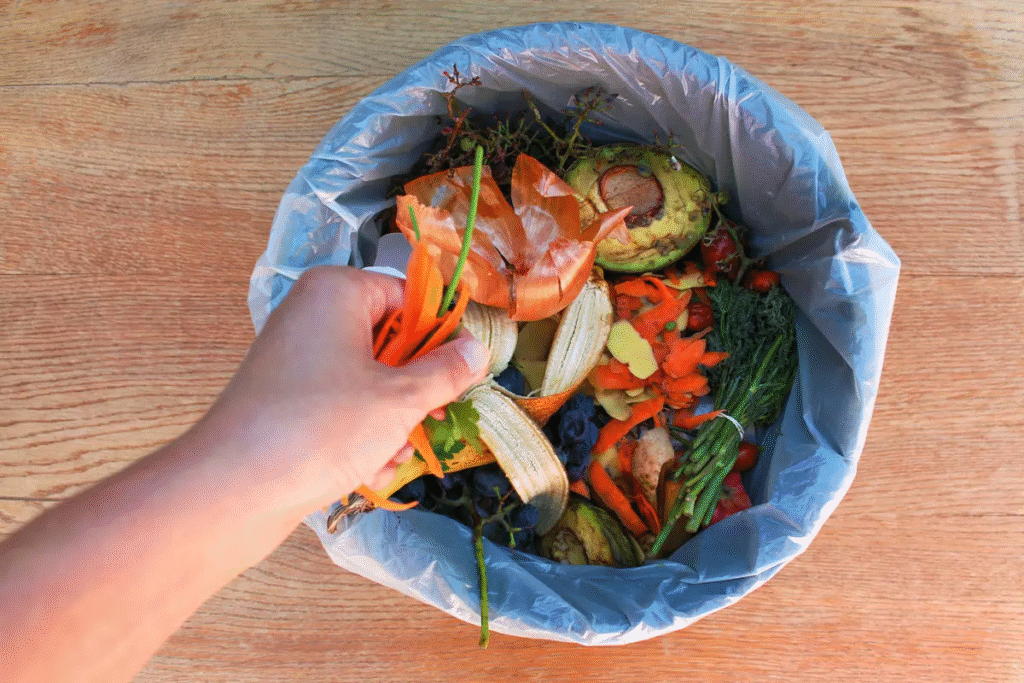
Globally, roughly one-third of all food produced for human consumption ends up lost or wasted. When discarded food decomposes in landfills, it releases methane, a greenhouse gas significantly more potent than carbon dioxide.
- Shop With a Clear Plan: Write a realistic meal plan before going to the supermarket to prevent buying extra produce that rots in the fridge.
- Master Proper Storage: Store potatoes and onions in cool, dark spots (kept separate from each other), and freeze herbs or extra bread before they go stale.
- Embrace “Ugly” Produce: Slightly misshapen fruits and vegetables offer identical nutritional value to picture-perfect produce and are frequently sold at a discount.
Support Local Farmers and Markets
Buying locally grown food slashes “food miles”—the long distance food travels from farms to your table via freight transport. Visiting neighborhood markets ensures fresher, seasonal ingredients while putting money directly back into your local community economy.
4. Rethinking Transportation Choices
Transportation makes up a large portion of individual carbon footprints. Rethinking how you get around town yields quick environmental benefits and keeps you physically active.
Walk or Bike for Short Errands
A huge percentage of daily car trips are under three miles. For quick trips to the local corner store or quick errands, leave the car parked and choose to walk or ride a bicycle. You eliminate carbon emissions completely while getting free exercise.
Embrace Public Transit and Carpooling
Riding a bus, subway, or train replaces dozens of individual passenger cars on the road, cutting traffic gridlock and lowering per-person carbon emissions. If reliable public transit is not an option where you live, start a carpool network with coworkers or neighbors who commute along the same route.
5. Mindful Consumerism: Emphasizing Quality Over Quantity
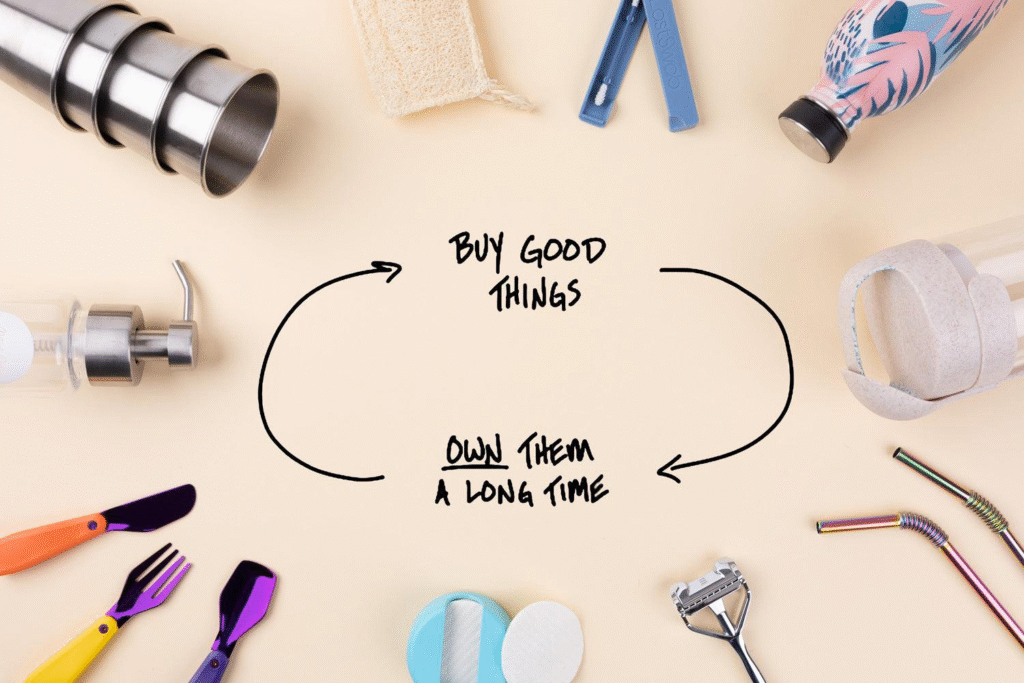
Modern retail culture pushes us to constantly acquire new items. Shifting your mindset toward buying less and choosing durability stops waste at the source.
Practice the 4 Rs
The traditional rule of Reduce, Reuse, Recycle becomes far more powerful when you add a fourth step right at the beginning:
- Refuse: Say no to single-use items, plastic straws, disposable cutlery, and unnecessary freebies.
- Reduce: Limit your purchases to items you truly need, choosing high-quality items over cheap, single-use alternatives.
- Reuse: Find fresh uses for everyday objects. Turn glass sauce jars into food storage containers or cut old cotton shirts into reusable cleaning rags.
- Recycle: Learn your town’s exact recycling rules to prevent “wish-cycling”—putting non-recyclable materials in the bin, which can ruin entire batches of recyclable material.
Shop Second-Hand First
Manufacturing new garments, electronics, and home furniture requires raw materials, factory processing, and global shipping. Buying second-hand goods through thrift shops, charity stores, or online marketplaces gives items a longer lifespan and lowers manufacturing demand.
You can also host a clothing swap with friends to refresh your wardrobe without spending money or generating extra textile waste.
6. Sustainable Habits for Families and Celebrations

Bringing eco-friendly practices into your home life makes living green fun and meaningful for everyone.
Host Eco-Friendly Celebrations
Festivals, birthdays, and holidays can generate surprising amounts of plastic waste from single-use decorations and wrapping paper.
- Natural Decor: Replace plastic banners and shiny tinsel with natural flowers, paper crafts, clay lamps, or wooden accents.
- Furoshiki Wrapping: Wrap gifts in reusable cloth scarves, fabric scraps, or recyclable brown paper tied with twine instead of plastic gift wrap.
Upgrade Everyday Family Products
- Carry Reusables: Keep tote bags, reusable water bottles, and travel mugs in your car or backpack so you never need single-use plastic options on the go.
- Mindful Pet Care: Traditional pet products can carry a hidden environmental footprint. Opt for biodegradable dog waste bags, eco-friendly cat litter (like pine, corn, or wheat options), and durable toys made from recycled materials.
7. Community Action and Environmental Advocacy
True sustainability reaches beyond individual households. Connecting with your broader community amplifies your habits into lasting change.
Grow Your Own Food
Planting a kitchen garden connects you directly to how your food grows. Whether you have a big backyard or just a sunny windowsill, growing your own herbs, tomatoes, or salad greens cuts down on packaging and transport emissions. If space is tight, sign up for a plot at a local community garden.
Engage with Local Environmental Groups
Volunteering for park, river, or beach cleanups removes litter directly from habitats before it hurts wildlife. It is also an effective way to meet like-minded neighbors and foster community connection.
Use Your Voice and Investment Power
Individual action is vital, but systemic shifts drive large-scale progress.
- Vote Mindfully: Support policies, municipal projects, and leaders prioritizing renewable energy, public transit, and natural conservation.
- Write to Representatives: Express your support for community recycling upgrades, bike lane expansions, and green space protections.
- Invest Responsibly: Check where your retirement savings, stocks, or bank deposits are held. Move your money toward institutions that prioritize green technology and avoid funding fossil fuel extraction.
Simple Steps for Long-Term Success

Living sustainably is not about being perfect. Demanding total perfection usually leads to frustration and burnout.
Instead, view green living as a steady journey made up of practical, consistent daily decisions:
- Pick 1–2 Habits First: Start small this week—like switching to reusable shopping bags and turning off running taps.
- Stack New Habits: Once those initial steps feel automatic, add a couple more, like lowering your meat intake or switching out incandescent lightbulbs.
- Share Your Progress: Talk positively with friends, family, and coworkers about the easy changes you are testing out. Leading by example inspires others far better than lecturing.
The simple habits we once followed out of obligation can become choices we make intentionally every day. By making simple changes to how you use energy, manage waste, travel, and buy products, you help build a cleaner, healthier planet for generations to come.