

For years, hidden and flush door handles have been a symbol of modern car design. Sleek, futuristic, and especially popular in electric vehicles, they’ve helped automakers signal innovation at a glance. But in China, that design trend is now facing serious scrutiny. Regulators have stepped in, raising concerns that style may be coming at the cost of safety.
China’s decision to crack down on hidden door handles marks a significant shift in how vehicle design is regulated—and it could have ripple effects far beyond its borders.
What Are Hidden Door Handles and Why Do Cars Use Them?
Hidden door handles, also known as flush or retractable handles, sit flat against the car body and pop out only when needed. Automakers favor them for several reasons:
They improve aerodynamics, which can slightly increase driving range in electric vehicles.
They create a cleaner, more futuristic appearance.
They help brands stand out in a crowded market where design matters.
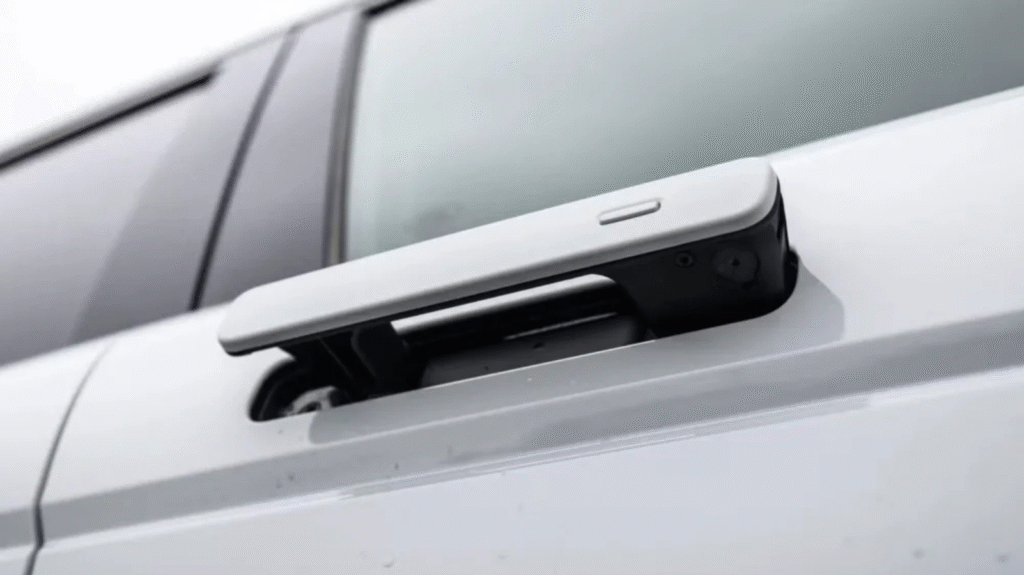
These handles have become especially common in electric and premium vehicles sold in China, one of the world’s largest and most competitive auto markets.
Why China Is Banning or Restricting Them
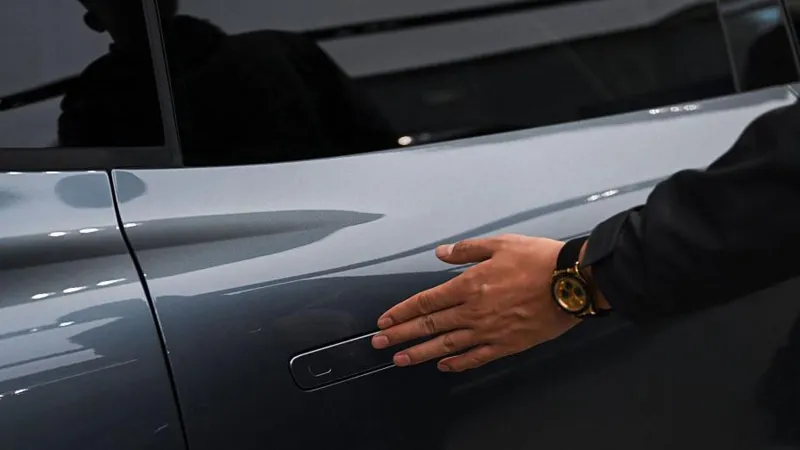
Chinese regulators have raised concerns that hidden door handles may pose safety risks, particularly in emergency situations. The main issues include:
Difficulty locating the handle during accidents, fires, or power failures.
Problems opening doors if the electronic mechanism fails.
Confusion for first responders or passengers unfamiliar with the design.
In emergency scenarios, even a few seconds of delay can matter. Authorities argue that door handles should be immediately visible and operable, regardless of whether a vehicle has power or advanced electronic systems.
What the New Regulation Focuses On
Rather than targeting aesthetics alone, the regulation emphasizes usability and safety. Key elements include: Clear visibility of door-opening mechanisms. Reliable manual operation, even if electronic systems fail. Consistency in design so users and rescue workers can quickly identify how to open doors. This move signals a broader shift toward prioritizing function over form, especially when safety is involved.
Which Vehicles Are Most Affected?
Electric vehicles and high-end models are likely to feel the biggest impact. Many of these cars rely heavily on retractable or touch-sensitive handles. Domestic Chinese EV brands, as well as international automakers operating in China, may need to redesign certain models or adjust future plans.
For some manufacturers, this could mean higher development costs. For others, it may simply require a rethink of how innovation is expressed through design.
Could This Influence Global Car Design?

China is one of the most influential automotive markets in the world. When it changes regulations, automakers pay attention. Even brands headquartered elsewhere often adapt global designs to meet Chinese standards.
If simpler, more visible door handles become the norm in China, similar changes could appear in other markets over time—especially if safety concerns gain traction internationally.
What This Means for Consumers
For drivers, the change may be subtle. Cars could look slightly less futuristic, but they may be easier to use in everyday situations. More importantly, the regulation aims to reduce confusion and risk during emergencies.
Consumers may also gain greater confidence knowing that essential features like door handles are designed with worst-case scenarios in mind.

Haiwaan: Everything You Need to Know About the New Series
Bollywood fans have had September 11, 2026 marked on their calendars for months. The big-screen…

1980s Retro AI Photo Prompts: How to Create Vintage Images with ChatGPT
Nostalgia for the 1980s is everywhere. Scroll through social media, turn on a streaming app,…

2027 Social Security Changes: Benefits, COLA & What to Know
If you rely on Social Security—or plan to in the next few years—keeping up with…
Final Thoughts
China’s crackdown on hidden door handles is a reminder that innovation doesn’t exist in a vacuum. While design trends come and go, safety standards tend to move in one direction—toward clarity, reliability, and accessibility.
This regulation isn’t just about door handles. It reflects a growing willingness to question whether high-tech features truly serve users when it matters most. As automakers respond, the industry may find new ways to balance cutting-edge design with practical, human-centered safety.
Frequently Asked Questions (FAQs)
Disclaimer : This article is for informational purposes only and is based on publicly available reports and regulatory discussions. Vehicle regulations may evolve, and readers should consult official government or manufacturer sources for the most current and detailed information.
#ChinaAutoRegulation #CarSafety #HiddenDoorHandles #AutomotiveNews #ElectricVehicles #VehicleDesign #AutoIndustry #RoadSafety #FutureOfCars #Carrerbook #Anslation