
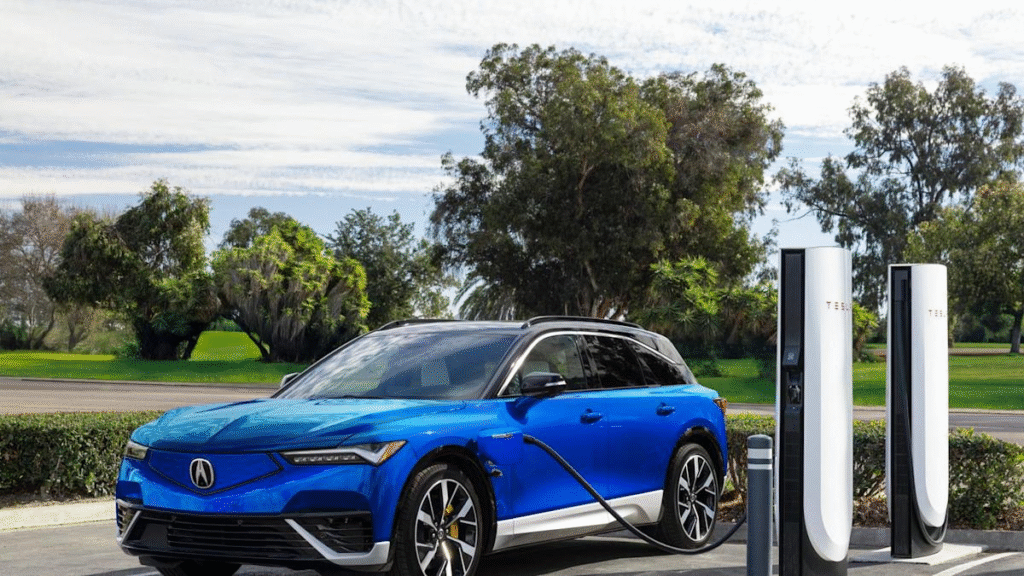
Buying my first electric car in 2025 was one of the most exciting and nerve-racking experiences of my life. I had always been curious about EVs—how they work, whether they’re actually cost-effective, and if they’re really as smooth and silent as everyone said. But like many first-time buyers, I had doubts too:
“How far will it go on a full charge?”
“Is maintenance really cheaper?”
“Which brand should I trust?”
If you’re also planning to buy your first EV, this guide is exactly what I wish someone had handed me before I started my own journey. Based on my real experience, this is a simple, practical, and honest breakdown of everything you need to know before buying an electric car in 2025.
My First EV Search: How It All Started
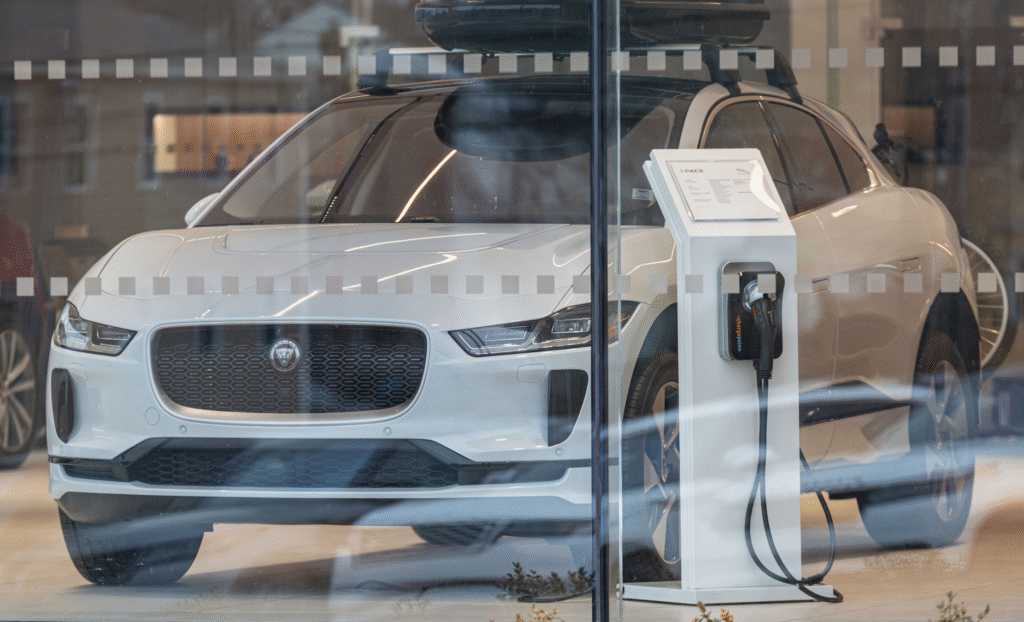
My EV journey began when fuel prices shot up again in early 2025. I used to spend a big chunk of my monthly budget on petrol, so switching to electric suddenly felt like a smart long-term plan. I also loved the idea of owning something eco-friendly and quieter than the loud engine I was used to.
But the moment I started researching EVs, I was overwhelmed. Every brand claimed to have “the best range,” “fastest charging,” or “most advanced tech.” Even though the choices were great, picking the right one felt confusing.
So, I took things step by step—and that’s exactly what I’ll help you do here.
Step 1: Know Your Driving Needs
This was the most important thing I figured out.
I used to think I needed the longest range possible. But after tracking my daily travel for a week, I realized I barely drove more than 40–50 miles a day. So a 250–300 mile range was more than enough for me.
Ask yourself:
- Do you drive long distances regularly?
- Is your usage mostly city or highway?
- Do you travel on weekends a lot?
2025 EVs come in various range options—from 200 miles to 450+ miles. For most people, a 250–300 mile EV works perfectly.
Step 2: Understand Charging Options (This Was a Game-Changer!)
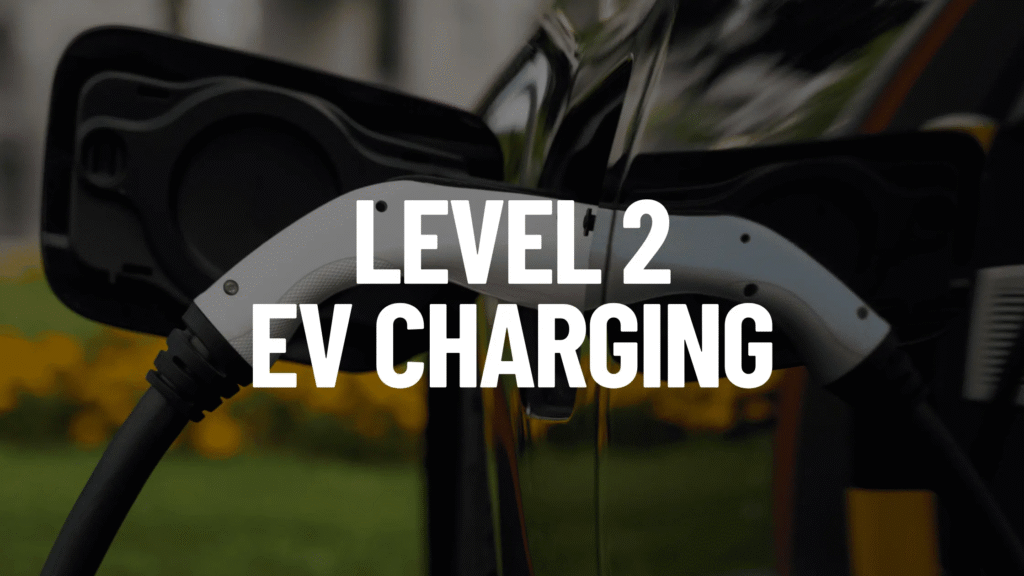
Honestly, the fear of charging was holding me back. But once I actually tried the chargers, everything became easier.
Home Charging:
I got a Level 2 home charger installed. It charges my car overnight, and I wake up to 100%. This convenience is unmatched.
Public Charging:
At first, I was afraid I’d get stuck somewhere waiting for hours. But the newer DC fast chargers are incredibly quick in 2025—many EVs charge 20–80% in 20–30 minutes.
Tip from my personal experience:
Before buying, search for charging stations in your neighborhood, workplace, and usual routes. It really helps reduce anxiety.
Step 3: Take Multiple Test Drives (Trust Me, Test Drives Made My Decision Clear)

I test-drove around six EVs before making my final choice.
Each one felt different—some had a smoother drive, others had better interiors, and a few had more advanced features.
During test drives, pay attention to:
- Comfort
- Interior quality
- Steering feel
- Noise level (EVs are almost silent!)
- Acceleration
- Screen & software quality
- Cabin space & storage
The test drives helped me understand that I preferred a more minimal interior and a softer suspension—something I wouldn’t have known without trying them.
Step 4: Compare Battery Performance & Warranty
One thing I learned is that battery health is everything in an EV.
Most 2025 EVs offer:
- 8-year battery warranty
- 100,000–150,000 miles coverage
Look for:
- Battery degradation rate
- Charging speed consistency
- Real-world range tests (YouTube reviews help!)
My EV loses about 1–2% range per year, which is normal.
Step 5: Check Maintenance Costs (Surprisingly Low!)
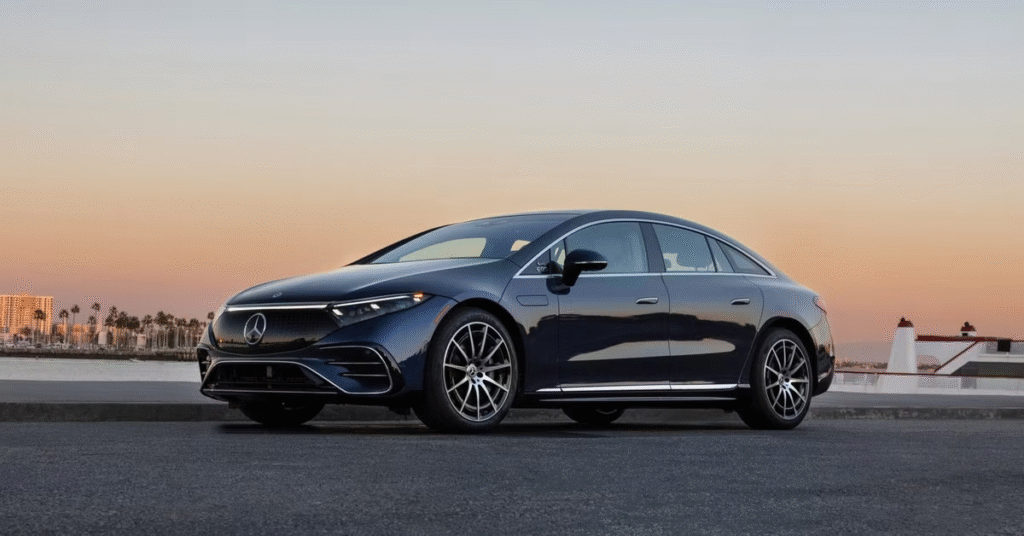
One of the best parts of owning an EV is the low maintenance.
No oil changes.
No spark plugs.
No engine issues.
In my first year, I only paid for:
- Tire rotation
- Cabin air filter replacement
That’s it.
This is where EVs truly save money long-term.
Step 6: Compare Prices, Incentives & Insurance
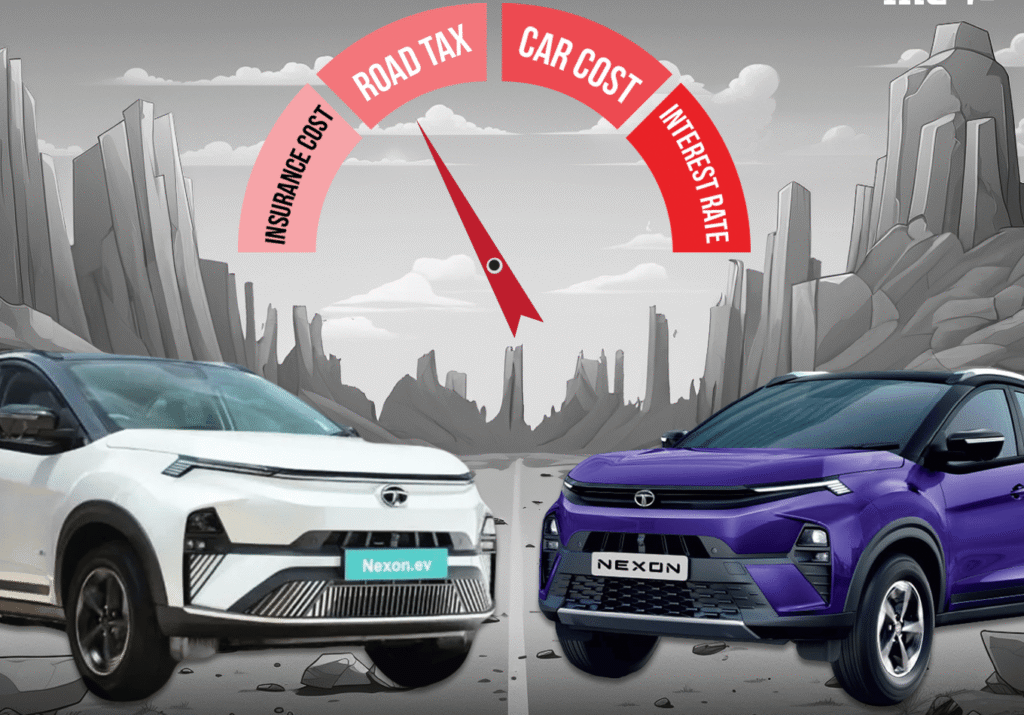
When I bought my EV, I was surprised to discover how many incentives and tax benefits were available. In 2025, many regions in the U.S. still offer rebates for EVs. Some companies even give FREE home charger installation as part of promotions.
Insurance was slightly higher than my old car, but the low running cost balanced it out.
Tip:
Always calculate total cost of ownership, not just the car price.
Step 7: Don’t Forget the Eco-Friendly Advantage
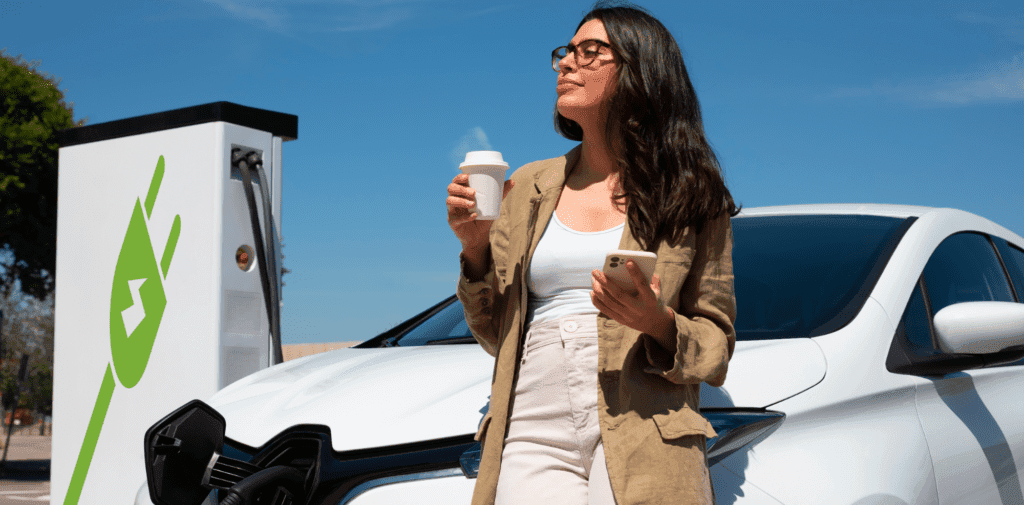
One of the most satisfying feelings is knowing I’m contributing to cleaner air and reducing emissions. Every time I drive silently through traffic, I genuinely feel like I made a good choice not just for myself—but for the environment too.
Final Thoughts: My Life After Buying an EV
It’s been months since I started driving my electric car, and honestly, I don’t think I’ll ever go back to a fuel-powered vehicle.
I love:
- The instant pickup
- The smooth, silent ride
- The low maintenance
- The savings on charging
- The tech features
But most importantly, I feel confident every time I hit the road—because I made a well-informed choice.
If you’re planning to buy your first electric car in 2025, take your time, understand your needs, and trust the process. Once you make the switch, you’ll wonder why you didn’t do it sooner
This blog is based on my personal experience and general knowledge about electric vehicles in 2025. The information provided is for educational and informational purposes only. EV prices, features, incentives, and charging availability may vary by region and brand. Readers are advised to research and verify details before making any purchasing decisions.
#ElectricCars2025 #EVGuide #EVBuyingTips #SustainableDriving #CleanEnergyCars #FutureOfAutomotive #EVLifestyle #GoElectric #EcoFriendlyDriving #TechOnWheels #EVJourney #2025Cars#Carrerbook#Anslation