
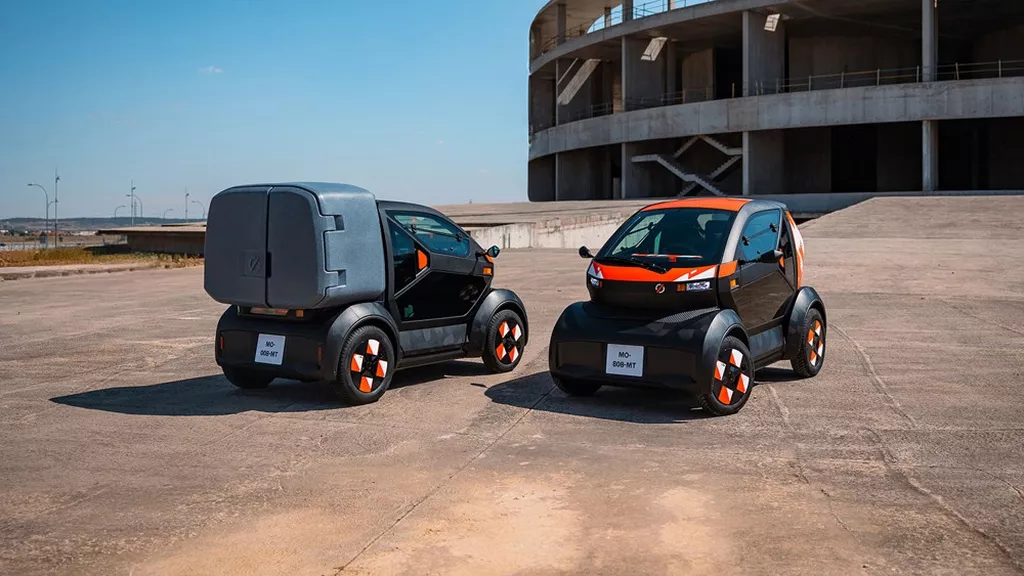
I’ve always followed the automobile industry with genuine interest, not just as news headlines but as something that reflects how our daily mobility is changing. Renault, especially under Luca de Meo, felt like a brand that was trying to reinvent itself—new ideas, bold experiments, and a strong push toward future mobility. So when I started reading about François Provost making tough decisions around projects like Mobilize, Duo, and car-sharing, I didn’t see it as just a corporate reshuffle. For me, it felt like watching a reality check happen in real time.
This blog is not written as an industry expert sitting in a boardroom. It’s written as someone who observes brands, uses mobility services, and tries to understand why companies change direction when big visions meet real-world challenges.
A Shift That Feels More Practical Than Emotional
Under Luca de Meo, Renault had a very visible vision. Mobilize, urban mobility solutions, car-sharing platforms—it all sounded exciting and future-ready. As a reader and consumer, I remember feeling optimistic. It felt like Renault was saying, “We’re not just making cars anymore; we’re shaping how people move.”
But when François Provost stepped in and began trimming these projects, my first reaction was mixed. A part of me felt disappointed—because innovation always excites us. But another part of me understood something important: not every good idea works at scale.
From my personal experience following similar mobility experiments in different countries, many of these services struggle with profitability, user adoption, and operational complexity. Seeing Provost take a stricter approach felt less dramatic and more realistic.
Mobilize: Big Vision, Tough Execution
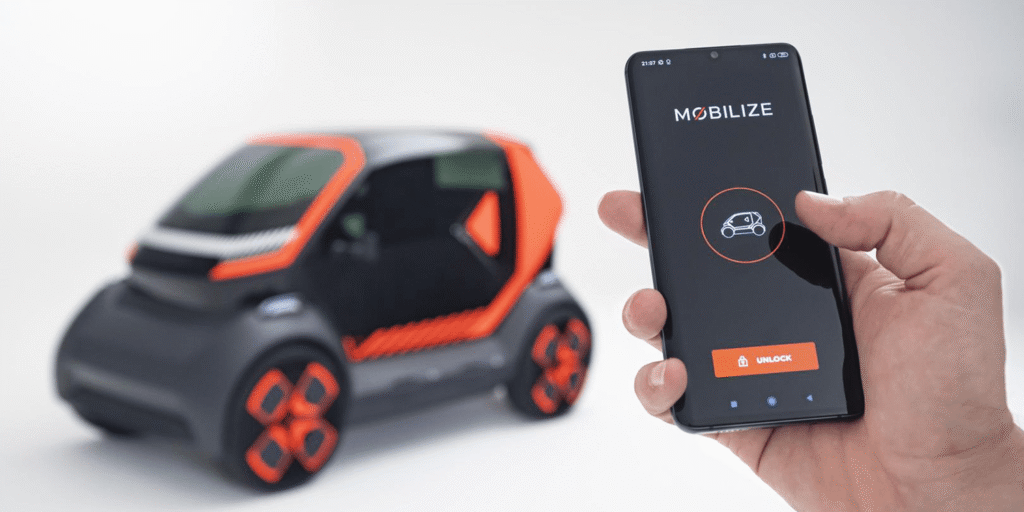
Mobilize was one of Renault’s most ambitious ideas. It wasn’t just a product; it was a concept—mobility as a service. From the outside, it looked like the future.
But as a regular consumer, I often wondered:
- Would people really give up ownership so easily?
- Would these services be convenient everywhere, or only in select cities?
- Could they survive without constant investment?
When Provost started reassessing Mobilize, it felt like he was asking the same questions—only with real numbers in front of him. From my perspective, this wasn’t about rejecting innovation; it was about making innovation sustainable.
Duo and Urban Mobility: Great Idea, Limited Reality
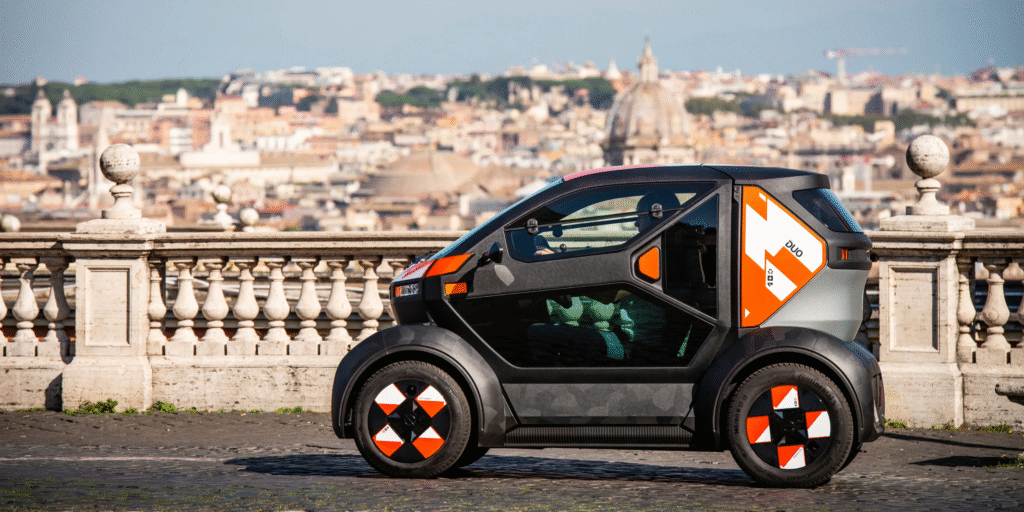
The Duo vehicle concept was fascinating—small, electric, city-focused. On paper, it made complete sense. But as someone who has lived in both crowded cities and suburban areas, I know one thing: urban mobility solutions don’t work equally everywhere.
What looks perfect in Paris or Milan doesn’t always translate well globally. Infrastructure, weather, driving habits, and regulations matter a lot. When Provost decided to be selective and cautious with such projects, it didn’t surprise me.
In fact, it reminded me of something I’ve personally learned: sometimes simplifying is more powerful than expanding.
Car-Sharing: Why the Excitement Faded

Car-sharing once felt like the next big thing. I remember using similar services and thinking how convenient they were—at least initially. But over time, issues appeared: availability, pricing, maintenance, and trust.
From a user’s point of view, car-sharing sounds flexible. From a company’s point of view, it’s expensive and complicated.
So when Renault started stepping back from aggressive car-sharing ambitions, I didn’t see it as failure. I saw it as learning from experience, something individuals and companies both have to do.
François Provost’s Leadership Feels Different
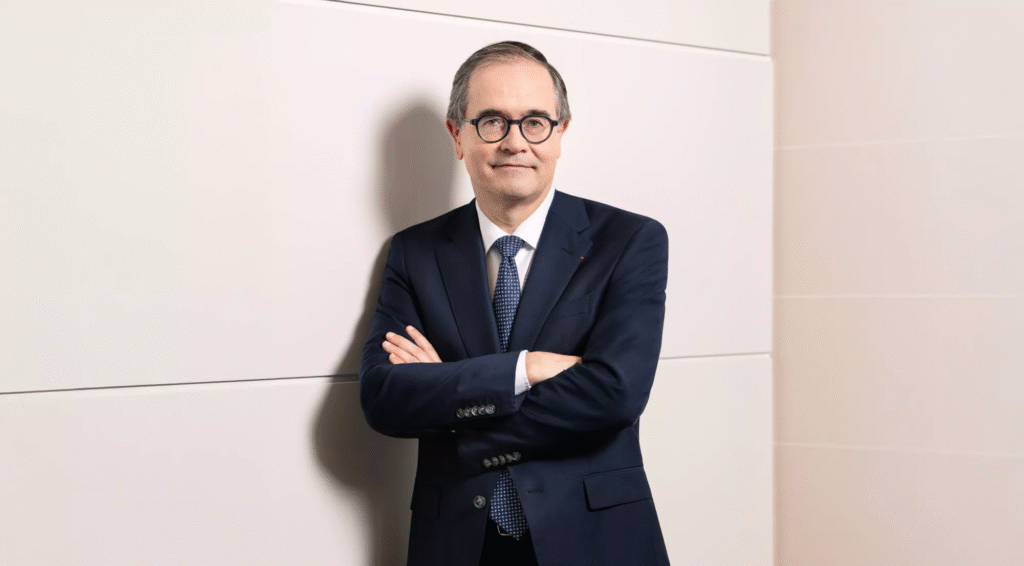
What stands out to me about François Provost’s decisions is the tone. It feels less about making headlines and more about making hard choices. Instead of asking: “What looks innovative?” He seems to be asking: “What actually works?”
As someone who values long-term stability over short-term excitement, this approach resonates with me. It’s not flashy, but it’s responsible.
What This Means for Renault’s Future
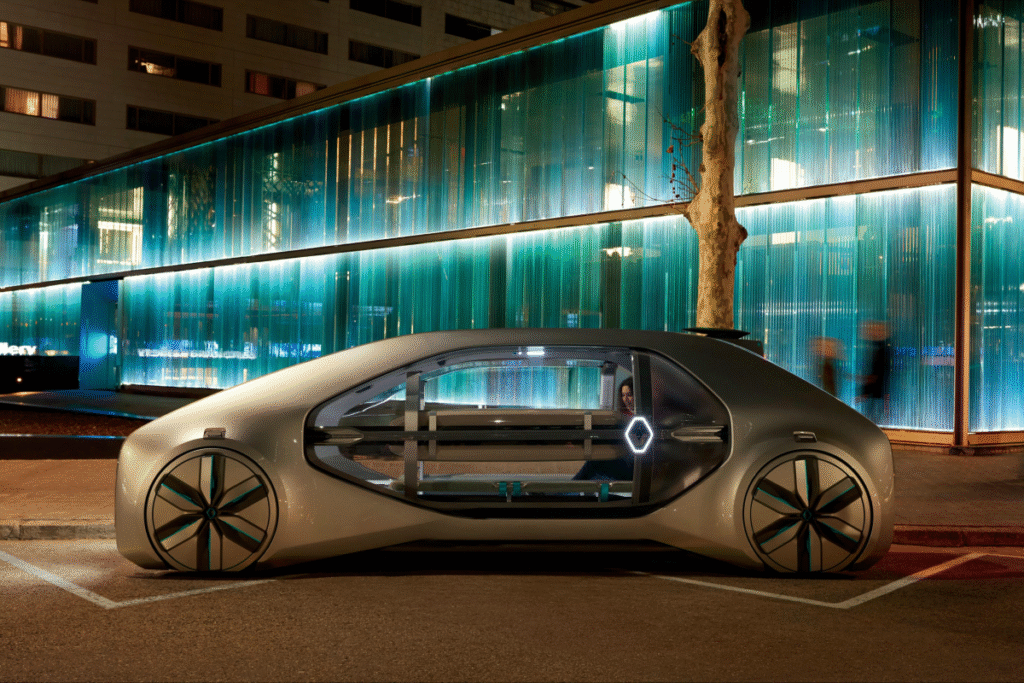
From my perspective, Renault’s new direction feels more focused:
- Fewer experiments
- Clearer priorities
- Stronger emphasis on core business and profitability
This doesn’t mean Renault is abandoning the future. It means the company is choosing which future is realistic. I’ve seen many brands try to do too much at once and lose clarity. Provost’s strategy feels like stepping back, cleaning the slate, and rebuilding with discipline.
As a Consumer, Why This Matters to Me
At the end of the day, strategy decisions affect real people. They affect:
- The cars we buy
- The services we rely on
- The trust we place in a brand
Personally, I prefer a company that delivers fewer promises but keeps them. If Renault becomes more stable, more focused, and more reliable, that’s a win for consumers like me.
Change Is Never Easy—But Often Necessary
Watching Renault rethink Luca de Meo’s legacy under François Provost reminds me of something very human: every vision must eventually face reality. Big ideas start movements. Tough decisions keep them alive. From my point of view, this shift doesn’t erase what came before. It builds on it, filters it, and reshapes it into something more grounded.
Final Thoughts
Renault’s new direction is not about abandoning innovation—it’s about choosing the right innovation. François Provost’s decisions may seem strict, but they feel thoughtful and experience-driven. As someone who follows the auto industry closely, I see this moment as a turning point. Less noise. More focus. And hopefully, stronger results. Sometimes, moving forward means knowing when to step back—and that’s exactly what Renault seems to be doing now.
This blog is written from a personal perspective based on publicly available information, observations, and general understanding of the automotive industry. It does not represent official statements from Renault or its leadership. Business strategies, outcomes, and interpretations may change over time.
#RenaultStrategy #AutomotiveIndustry #FutureOfMobility #CarSharingTrends #Mobilize #RenaultNews #AutoBusiness #LeadershipDecisions #EVandMobility #IndustryInsights#Carrerbook#Anslation