
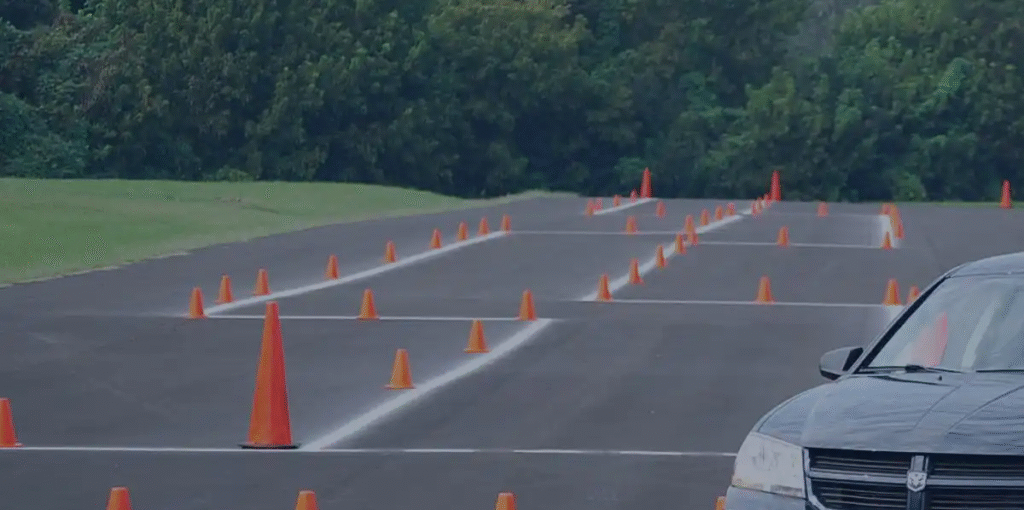
Passing your driving test is a milestone that represents independence, responsibility, and confidence on the road. If you are preparing for the DVSA driving test in 2026, you are likely feeling a mix of excitement and nervousness. The good news is that success is not about luck. It is about preparation, understanding the structure of the test, and developing safe driving habits that examiners look for.
This complete guide will walk you through everything you need to know to pass the DVSA driving test on your first attempt.
Understanding the DVSA Driving Test Structure
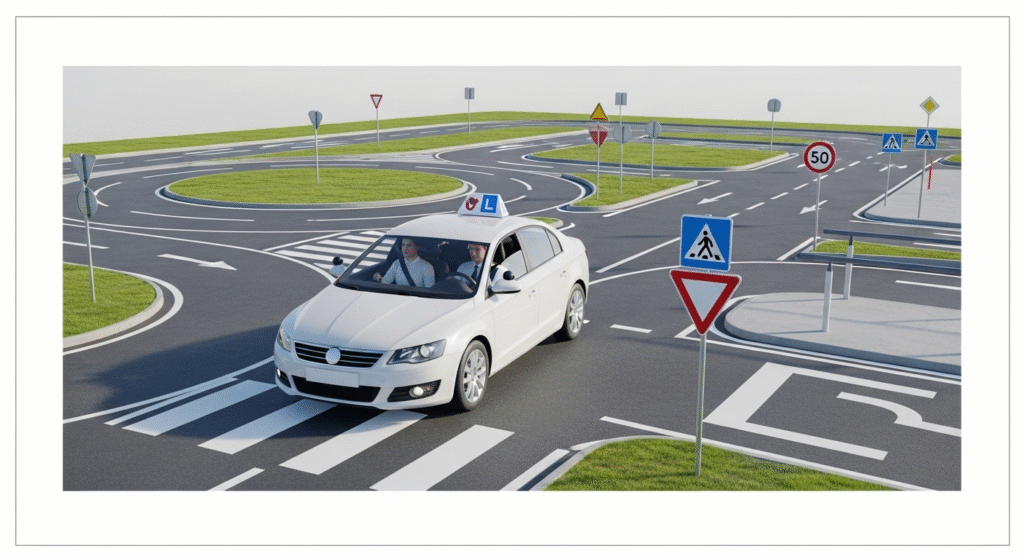
The driving test in the UK is conducted by the Driver and Vehicle Standards Agency, commonly known as the DVSA. The practical test is designed to assess whether you can drive safely and independently in real road conditions.
The test usually lasts around 40 minutes and includes eyesight checks, vehicle safety questions known as “show me, tell me” questions, general driving ability, one reversing manoeuvre, and approximately 20 minutes of independent driving. The independent driving section may involve following sat-nav directions or traffic signs.
Understanding the structure removes uncertainty, and when you know what to expect, your confidence increases naturally.
Booking Your DVSA Driving Test the Right Way
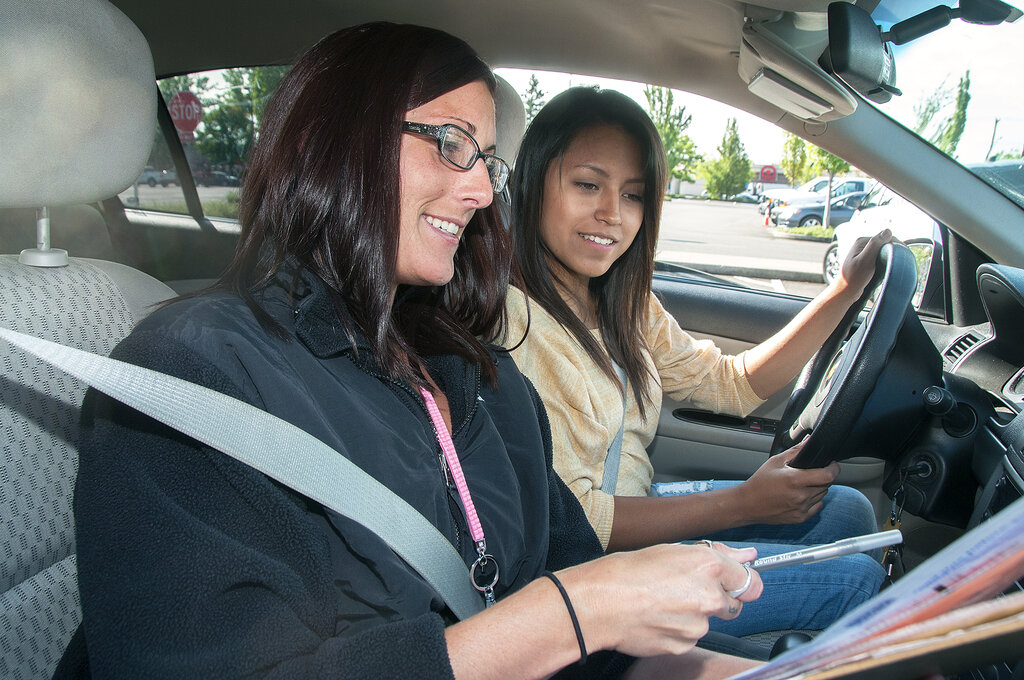
Booking your test through the official government website ensures you avoid unnecessary fees or scams. Choose a test centre you are familiar with and try to schedule your test for a time when you feel most alert, whether that is morning or early afternoon.
Because waiting times can vary, especially in busy areas, it is wise to book in advance. Once your date is confirmed, create a structured practice schedule rather than leaving preparation to the final week.
Mastering the Theory Before the Practical
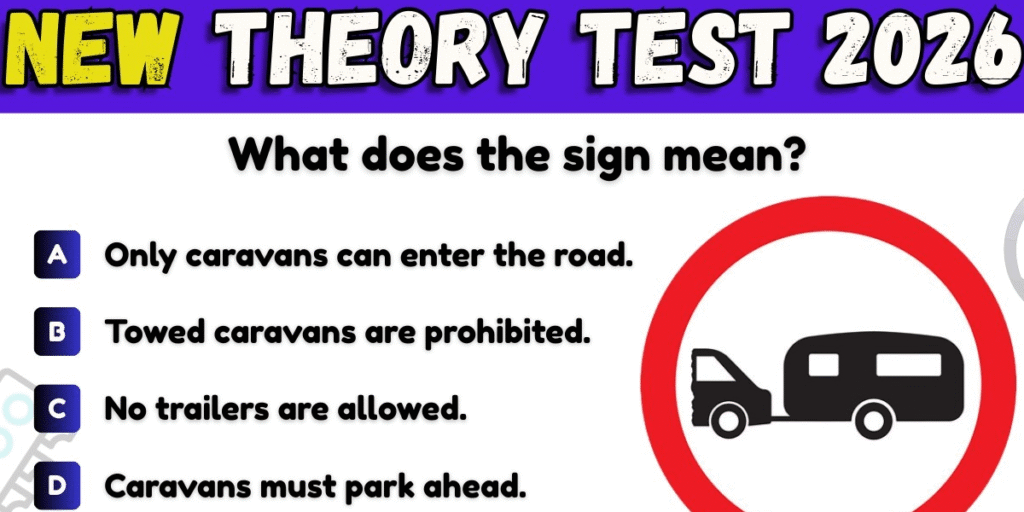
Before taking the practical test, you must pass the theory test. This includes multiple-choice questions and a hazard perception section. The theory test ensures you understand road signs, traffic laws, and hazard awareness.
Strong theory knowledge directly improves practical performance. When you understand why certain rules exist, your driving decisions become more confident and natural. Consistent revision and practice mock tests can significantly improve your results.
Common Reasons Learners Fail
Many learners fail not because they cannot drive, but because they make avoidable mistakes under pressure. The most common faults include poor observation at junctions, incorrect mirror use, hesitation at roundabouts, lack of proper signalling, and inadequate control during manoeuvres.
Examiners are not expecting perfection. The
y are assessing whether you can drive safely. A minor mistake will not fail you, but repeated or serious safety errors will. Practising in different road and weather conditions helps reduce unexpected stress on test day.
Perfecting the Manoeuvres
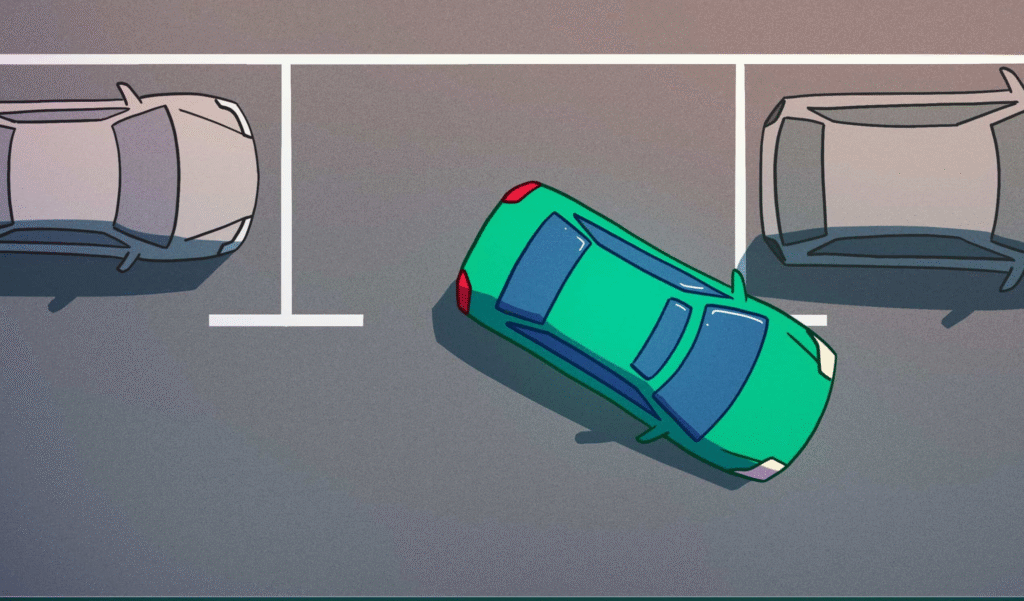
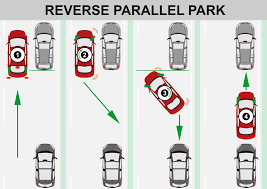
In 2026, the reversing manoeuvre could include parallel parking, bay parking, or pulling up on the right and reversing. These exercises test control, awareness, and accuracy rather than speed.
Take your time during manoeuvres. Observations are more important than finishing quickly. Consistently checking mirrors and blind spots demonstrates awareness, which examiners value highly.
Practising these manoeuvres regularly in quiet areas can build muscle memory and reduce anxiety.
The Importance of Independent Driving
The independent driving section often worries learners, but it is designed to test decision-making rather than navigation skills. If you take a wrong turn, do not panic. The examiner will simply redirect you. You will not fail for going the wrong way unless it results in unsafe driving.
Focus on reading road signs carefully, maintaining proper lane discipline, and staying calm. Confidence and composure are key during this section.
Test Day Preparation and Mindset
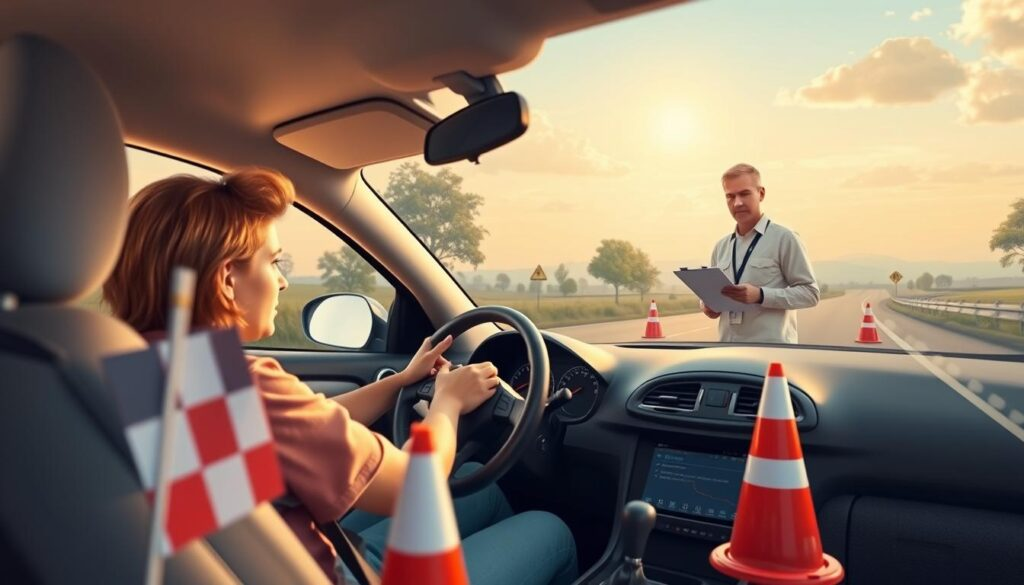
Arrive at the test centre at least ten minutes early with your provisional licence. Ensure your vehicle meets DVSA standards if you are using your own car.
On test day, avoid last-minute cramming. Instead, focus on staying relaxed. Deep breathing techniques and positive visualization can significantly reduce nerves. Remember, your instructor would not recommend you for the test if you were not ready.
Treat the test as a normal driving lesson with someone giving directions. This mindset shift can make a noticeable difference.
Building Safe Driving Habits Beyond the Test
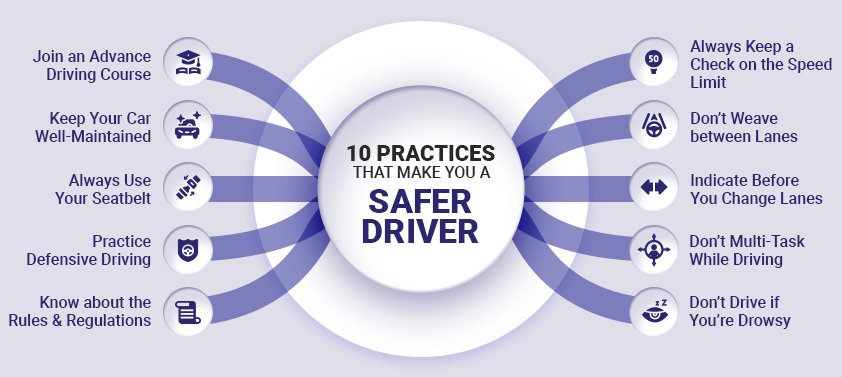
While passing first time is the goal, becoming a safe and responsible driver is far more important. The habits you build during preparation will stay with you long after you receive your licence.
Consistent mirror checks, smooth acceleration, controlled braking, and good hazard anticipation are lifelong skills. The test is simply a checkpoint to confirm you are ready for independent driving.
Final Thought
Passing the DVSA driving test in 2026 is completely achievable with structured practice, strong theory knowledge, and the right mindset. Instead of focusing on fear of failure, focus on developing safe, confident driving habits. When you approach the test prepared and calm, you dramatically increase your chances of passing first time.
Remember, the examiner is not there to trick you. They are there to ensure you can drive safely and responsibly on public roads. With preparation and confidence, success is within your reach.
Rolls-Royce Share Price News: Latest Updates Investors Should Know
Rolls-Royce Holdings has become one of the most talked-about stocks in the UK market in…

Disclaimer
This article is for informational purposes only and does not replace official guidance from the Driver and Vehicle Standards Agency. Driving test rules, requirements, and procedures may change. Always refer to the official DVSA website for the most accurate and up-to-date information.
#DVSADrivingTest #UKDrivingTest #DrivingTest2026 #LearnToDrive #PassFirstTime #DrivingExamGuide #Anslation #Carrerbook