
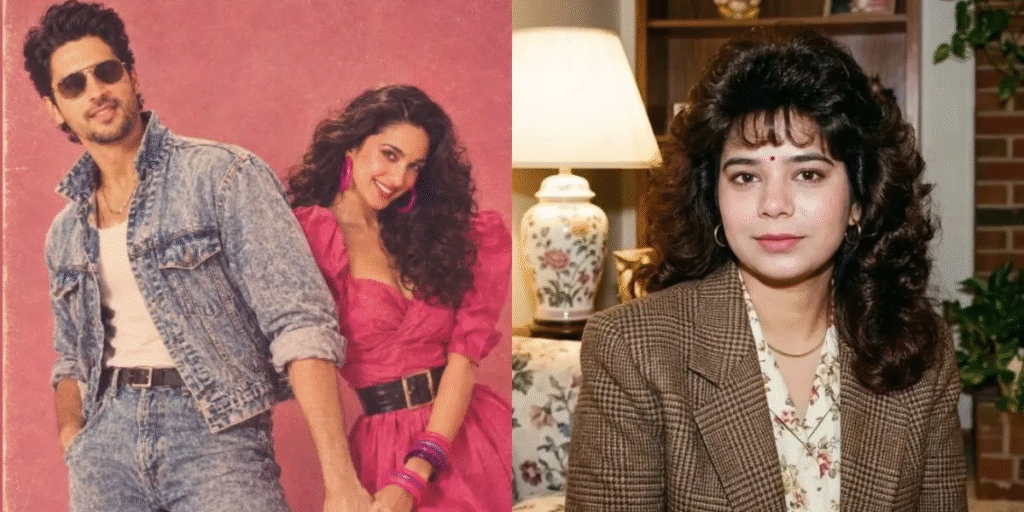
Nostalgia for the 1980s is everywhere. Scroll through social media, turn on a streaming app, or walk into a local café, and you’ll see its footprint—from synth-heavy pop beats climbing back onto modern charts to hit shows bathed in neon light and VHS textures. Recently, this aesthetic has exploded across image generation platforms, where creators use tools like ChatGPT and Midjourney to transform modern ideas into photographs that look like they were pulled right out of an old, dusty shoebox.
You don’t need to hunt down functional 35mm cameras, buy expired film on eBay, or dig through thrift store bins. With a well-structured prompt, you can specify every detail—from harsh camera flash glare and paper textures to period-accurate wardrobe and backdrop props—letting AI do the heavy lifting.
Getting an authentic ’80s look takes a bit more technique than typing “make an 1980s photo”. To produce images that feel like real historical film snapshots rather than plastic digital renders with a brown filter, you need to prompt like a photographer setting up a set on location.
What Gives 1980s Photography Its Visual Character?
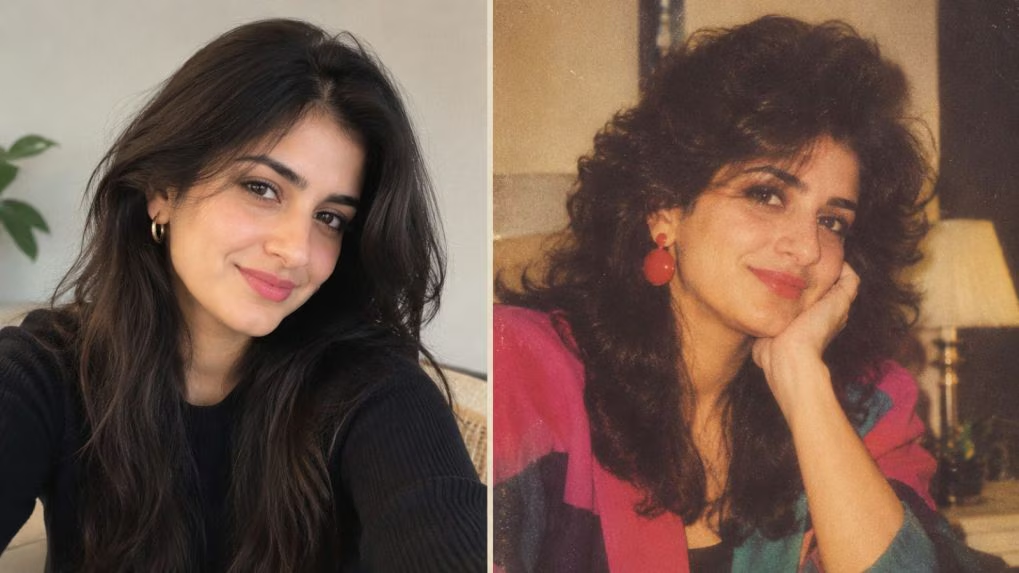
Modern smartphone cameras produce hyper-sharp, perfectly exposed pictures. While great for clean media, that precision can leave casual portraits feeling cold or corporate.
Analog photography in the 1980s had physical quirks built into every step of the process:
- Physical Film Grain: Silver halide particles on real film stock created a soft texture across the image, avoiding the hyper-crisp edge sharpness of modern digital sensors.
- Direct Flash Shadows: Point-and-shoot and disposable cameras relied on harsh, front-facing flashes. This threw dark, distinct shadows right behind subjects and created hot spots on skin.
- Aged Color Balance: Physical prints naturally faded over time, leaning toward warm yellows, earthy oranges, and slightly lifted, milky black tones.
- Definite Wardrobe: Oversized denim jackets, padded shoulders, bright windbreakers, high-waisted denim, graphic tees, and voluminous, feathered hairstyles.
- Period Backdrops: Dark wood-paneled walls, shag carpets, boxy CRT televisions, neon-lit arcades, and angular automobiles.
Combining these mechanical quirks with period details signals to the human brain that an image has a genuine history behind it.
Anatomy of an Authentic 1980s AI Prompt
Generic prompts like “1980s cool guy” trigger default settings in AI models, leading to glossy 3D renders and modern studio lighting.
To build a realistic vintage output, combine five structural components:
- Subject & Pose: Define who is in the frame and what they’re doing.
- Era-Specific Attire: Detail exact clothing styles, fabric types, and hair.
- Environment & Context: Surround the subject with period-accurate props and setting cues.
- Camera & Film Medium: Specify film stock, camera type, and optical imperfections.
- Lighting & Color Response: Name the light source, shadows, and overall color degradation.
Ready-to-Use 1980s Prompts
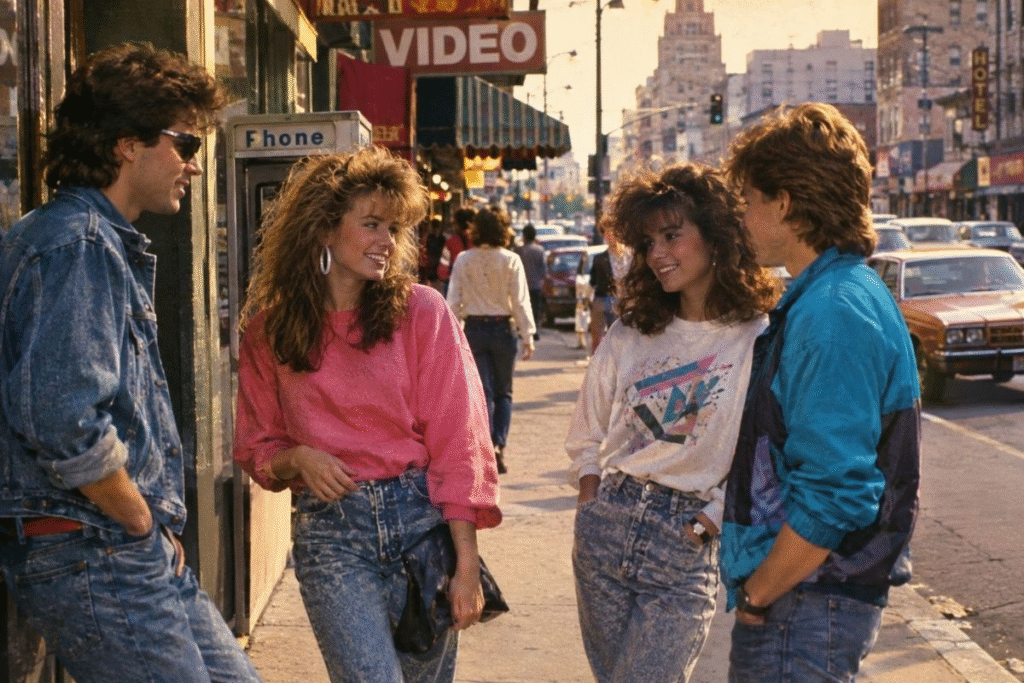
Here are tested, detailed prompts designed to capture specific styles from the decade.
1. The Classic Studio Portrait
Studio portraits and school photo days relied on painted canvas backdrops, soft key lights, and neat poses.
*”A realistic 1980s studio portrait of a young man wearing an oversized patterned wool sweater. Soft, warm studio lighting set against a subtle blue painted canvas backdrop. Shot on 35mm film stock with soft focus, visible film grain, natural skin pores, muted color tones, and the authentic look of a classic physical photo album print.” *
2. The Late-Night Arcade Hangout
Arcades provided dark room spaces lit by glowing CRT screens and vibrant neon accents.
“A candid 1980s film photograph of three friends standing inside a dimly lit arcade. Arcade cabinets line the walls, casting blue and pink light across their faces. The subjects wear casual street clothes like graphic tees and high-waisted jeans. Shot on a point-and-shoot camera with direct flash, deep backdrop shadows, visible film grain, and high-contrast color.”
3. Suburban Living Room Snapshot
Casual home interiors give images an intimate, everyday memory feel.
“A nostalgic 1980s family snapshot inside a suburban living room. A family sits on a patterned fabric sofa surrounded by dark wood-panel walls, a thick shag carpet, and a wood-grain CRT television set. Warm tungsten indoor lighting mixed with direct camera flash glare. Soft focus, slight color fading, and fine analog grain.”
4. Golden Hour Street Scene
Outdoor street photos highlight period cars, classic storefront signs, and everyday fashion.
*”A candid 1980s street photograph in a downtown area during late afternoon golden hour. Pedestrians walk past storefronts wearing retro windbreakers, leather jackets, and canvas sneakers. Boxy 1980s sedans are parked along the curb. Shot on Kodak 35mm film with long sunset shadows, subtle lens flare, natural grain, and realistic urban texture.” *
5. Retro Cinema & Editorial Portrait
Inspired by publicity stills and high-fashion catalogs from the era.
“A 1980s publicity portrait of a subject wearing an oversized leather jacket with padded shoulders, bold gold hoop earrings, and volumetric styled hair. High-contrast key lighting with soft fill. Authentic 35mm film texture, rich primary colors with slight highlight clipping, visible fabric weaves, and a soft-focus background.”
Stripping Away the “Digital” Look
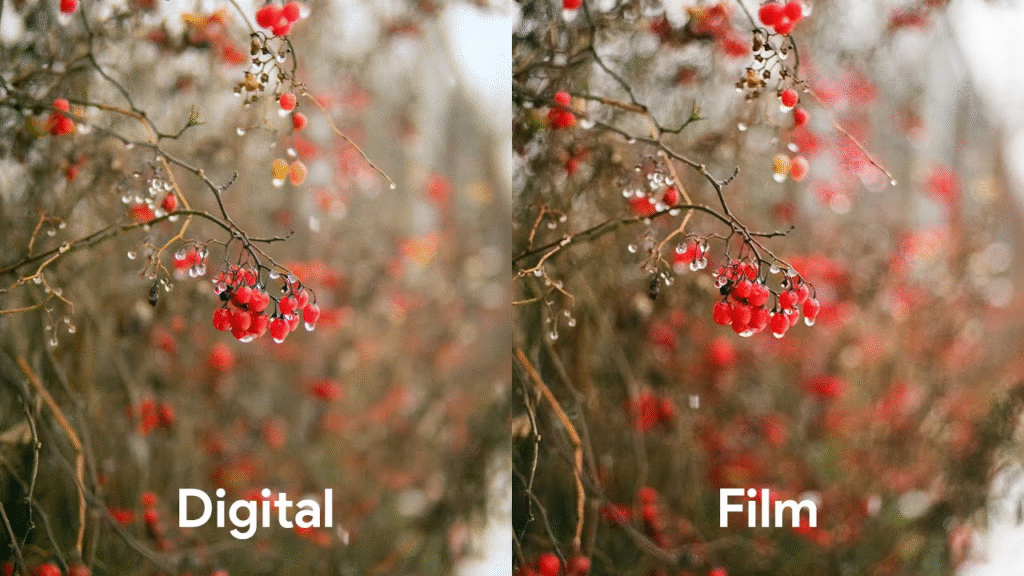
AI generation models default to smooth skin, perfectly balanced lighting, and hyper-clean edges. To make photos feel grounded and real, deliberately direct the model to include physical imperfections.
Specify Camera Errors
Analog snapshots rarely had perfect exposure or focusing.
- Include phrases like: “slight lens blur,” “overexposed highlights,” “subtle dust specks,” “light leaks near frame edges,” or “harsh direct flash shadows.”
Demand Surface Textures
Prompting for tactile details prevents the engine from over-smoothing surfaces.
- Include phrases like: “visible skin pores,” “coarse denim weave,” “rough leather texture,” or “matte paper print finish.”
Avoid Modern Technical Terms
Mixing contemporary buzzwords into a retro prompt breaks the analog look. Words like “4K,” “hyper-realistic,” “octane render,” or “HDR” push the underlying model toward modern 3D rendering engines. Use photographic terminology like “35mm print,” “Kodachrome,” or “film grain” instead.
Crafting Prompts with ChatGPT
You don’t need every photographic parameter memorized to write great prompts. You can use ChatGPT as a prompt generator to build complex camera descriptions from simple base concepts.
Give ChatGPT a guiding directive like this:
“I want to generate an 1980s photo of someone sitting at a diner counter, but I need a detailed prompt. Expand this idea into a photographic prompt that covers 1980s fashion, diner decor, 35mm film characteristics, direct flash lighting, and warm vintage color balance.”
The model will output a balanced, technical scene description ready to copy into your image tool of choice.
FAQs
1. What magic keywords actually make an AI photo look like it was taken in the 1980s?
You can’t just type “retro” and expect it to work. You need to be specific with texture and lighting. Lean heavily on terms like “35mm film,” “visible analog film grain,” “harsh direct flash glare,” and “warm, faded Kodak color palette.” Always back these up with concrete objects that scream the era, like acid-wash denim jackets, a CRT television set, or a wood-paneled living room wall.
2. Why do my retro AI images still look so fake, CGI, and plastic?
Modern AI models are literally programmed to default to flawless, hyper-crisp digital perfection. They smooth out textures automatically. To fix this, you have to demand physical imperfections that break that smooth render. Instruct the AI to include flaws: “soft focus,” “slight motion blur,” “natural skin pores,” and “overexposed highlights.” Telling the AI you want the photo to look like a “slightly imperfect snapshot from a physical album” helps tremendously.
3. Can I still get great 1980s results if I know absolutely zero camera jargon?
Yes, 100%. Don’t stress over technical words. Instead, describe the feeling of a real photo you remember seeing. Use descriptive scenarios: “a teen hanging at a dark mall arcade lit only by the screens,” or “a candid photo taken at a birthday party with a disposable camera flash.” Alternatively, you can always ask ChatGPT: “Hey, expand this simple idea: ‘a family barbecue in 1986’ into a super detailed, realistic 35mm film photo description.”
4. How do I take my own current modern selfie and turn it into a convincing ’80s portrait?
This is where “image-to-image” tools shine. Upload your modern reference picture first to set your face and pose. Then, use your text prompt to instruct the AI to radically change the aesthetics around you. Keep your physical features but swap your clothes for a neon windbreaker, your hair for a gravity-defying feathered style, and change the entire environment into a living room with shag carpet and analog film lighting.
5. What modern technical words should I absolutely avoid in my retro prompts?
Ditch any word related to high-definition digital graphics immediately. Never use “4K,” “8K,” “HDR,” “octane render,” “unreal engine,” or “hyper-realistic.” These words are strong “modern digital” triggers and will force the AI model to ignore all your analog film requests, giving you a smooth, artificial CGI look every single time. Stick to photographic language.