

Modern driving is no longer just about getting from point A to point B. For many Australians, the vehicle has transformed into a mobile workspace and family hub where navigation, hands-free calls, music streaming, and safety features rely on steady internet access.
This is where next-generation cellular connections make a direct impact. Vodafone Australia has deployed its 5G network across thousands of sites nationwide, bringing high-bandwidth connectivity to urban centers, major transport corridors, and regional hubs.
By pairing ultra-fast speeds with reduced network delays, mobile connectivity is reshaping how everyday motorists and commercial drivers experience the road.
Key Driver Benefits at a Glance
| Feature | How It Helps the Driver | Operational Impact |
| Ultra-Low Latency | Instant route adjustments and hazard warnings | Reduced travel delays and smoother detours |
| High Bandwidth | Uninterrupted video, music, and voice calls for passengers | Keeps passengers entertained on long trips |
| Stable Fleet IoT | Real-time vehicle diagnostics and fuel management | Lower maintenance costs and less downtime |
| Wide Population Coverage | Dependable mapping on urban commutes and highway routes | Reduced connection dropouts in high-traffic zones |
How 5G Changes the Driving Experience
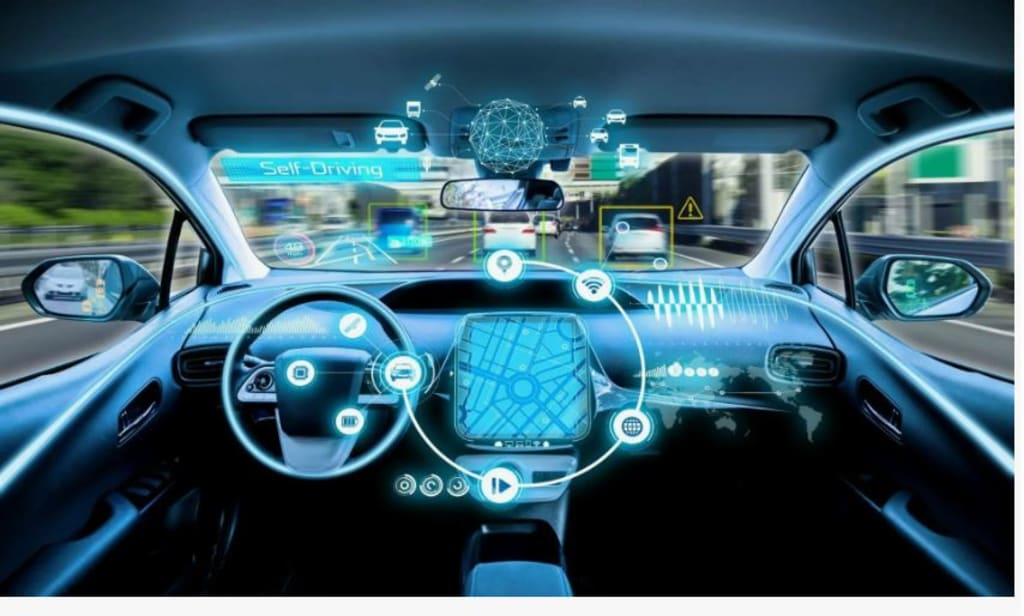
When most people think of upgraded mobile networks, they think of faster file downloads on a phone. While speed is great, the biggest advantage for anyone behind the wheel is responsiveness (low latency).
+-----------------------------------------------------------------------+
|                    THE REAL-TIME NAVIGATION CYCLE                     |
+-----------------------------------------------------------------------+
|                                                                       |
|   1. ROAD HAZARD DETECTED  -->  2. LOW-LATENCY 5G TRANSMISSION        |
|   (Crash, construction, or      Data sent instantly via Vodafone      |
|   sudden traffic slowdown)      cell towers to cloud servers          |
|                                                                       |
|   3. INSTANT MAP REROUTE   <--  4. DRIVER SAVES TIME & STAYS SAFE     |
|   GPS updates in seconds       Avoids heavy traffic and eliminates     |
|   before driver gets stuck      frustrating roadside delays           |
|                                                                       |
+-----------------------------------------------------------------------+
- Instant Hazard Alerts: A low-latency network transmits sudden traffic changes, weather alerts, or road closure data in milliseconds rather than minutes.
- Dynamic Rerouting: Navigation apps process traffic shifts immediately, guiding you away from congestion before you get trapped in a logjam.
- Frictionless Connectivity: Devices maintain steady links to cloud services, cutting down on lag, spinning loading icons, and app crashes while you drive.
Supporting Safer, Less Distracted Trips
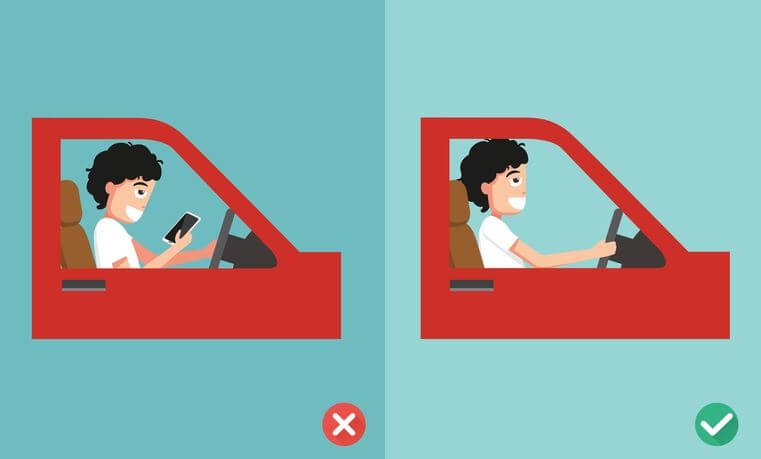
Safer driving comes down to keeping your eyes on the road and your mind focused on traffic. Technology should reduce stress behind the wheel, not add to it.
- Fewer Manual Interventions: When maps auto-refresh accurately in real time, you don’t have to pull over or touch your dash display to find alternative routes.
- Consistent Hands-Free Calling: Stable voice over LTE/5G calls mean clearer communication with family or clients without choppy, dropped connections.
- Predictable Daily Commutes: Parents dropping children at school or workers rushing to meetings get a clearer picture of their exact arrival time.
Smarter Fleets and Commercial Vehicles
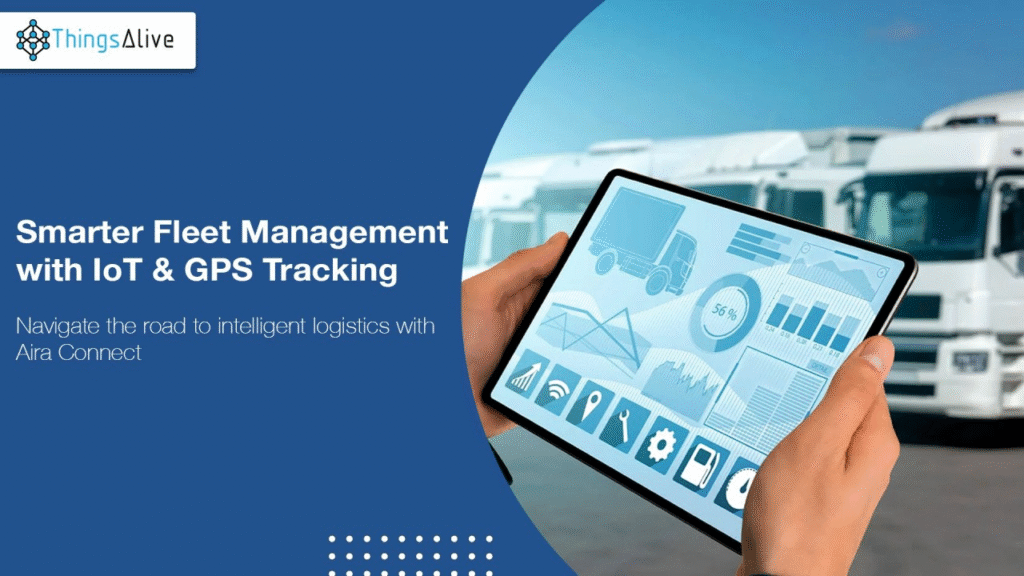
For delivery drivers, mobile service tradespeople, and large logistics companies, time spent on the road directly affects the bottom line.
- Live Vehicle Diagnostics: Fleet managers use Internet of Things (IoT) sensors to monitor engine health, tire pressure, and fuel consumption remotely.
- Proactive Maintenance: Early diagnostic alerts catch small mechanical issues before they turn into expensive highway breakdowns.
- Streamlined Route Logistics: Dispatchers adjust multiple delivery schedules at once based on live traffic conditions, lowering fuel usage and vehicle wear.
Coverage and Device Requirements

To get the best performance out of 5G on Australian roads, keep these practical factors in mind:
- 5G-Compatible Hardware: You must use a smartphone, tablet, or vehicle modem equipped with a 5G modem chip.
- Regional Coverage Zones: 5G availability varies by suburb and regional location. Use official coverage maps to verify signal strength along your planned travel routes.
- Physical Line of Sight: Signal strength can be influenced by tall city buildings, deep highway cuttings, dense forest canopies, or heavy storm weather.
Frequently Asked Questions
How does 5G improve navigation apps compared to older 4G networks?
5G transfers data faster with far less delay. This allows mapping applications to update live traffic, accidents, and speed zone changes almost instantly.
Will my phone automatically switch back to 4G in areas without 5G?
Yes. Modern smartphones automatically transition between 5G and 4G networks depending on local tower coverage, ensuring you stay connected without losing signal.
Does using 5G in the car drain my phone battery faster?
Searching for high-speed network signals can consume slightly more power. Plugging your phone into a car charger while running GPS apps is always recommended.