

Starting an online business is one of the most practical ways to turn a passion, a craft, or a design skill into a reliable stream of income. In a world dominated by mass production, Etsy stands out as a global marketplace built specifically for handmade goods, digital creations, vintage finds, and craft supplies.
For beginners, Etsy removes many of the technical barriers to entry. You don’t need to code a custom e-commerce site, set up complex payment gateways from scratch, or figure out how to drive web traffic entirely on your own. Etsy brings millions of motivated shoppers to one platform. However, setting up a successful shop requires more than just uploading a few items—it takes clear strategy, smart search optimization, and a commitment to customer trust.
1. Choosing a High-Demand Product Niche
The most common mistake new sellers make is listing items based solely on personal preference without researching what shoppers are actually searching for. To build a sustainable shop, your product needs to solve a problem, fulfill an emotional need, or serve a clear purpose.
                  ┌─────────────────────────────────────────┐
                  │          Product Selection Matrix       │
                  └────────────────────┬────────────────────┘
                                       │
            ┌──────────────────────────┴──────────────────────────┐
            ▼                                                     ▼
  [ Physical Products ]                                 [ Digital Products ]
  • Handmade Jewelry & Apparel                          • Printable Planners & Trackers
  • Customized Home Decor                               • Event Templates (Weddings/Parties)
  • Personalized Keepsakes                              • Social Media Assets & Graphics
  • Curated Vintage Items                               • Educational Worksheets & Art
            │                                                     │
  (Requires physical inventory,                         (High upfront creation time,
   packaging, and shipping)                               zero shipping, infinite scale)
Top Product Categories
- Handmade Goods: Jewelry, home decor, candles, knitwear, and personalized gifts offer a warm, custom feel that mass-market retailers cannot duplicate.
- Digital Downloads: Products like printable planners, budgeting templates, resume formats, and digital wall art carry zero inventory costs and deliver instantly to buyers.
- Vintage Collectibles: Items at least 20 years old appeal to collectors looking for character, quality, and nostalgia.
- Craft Supplies: Materials, patterns, and tools empower other creators to complete their own DIY projects.
2. Navigating Etsy’s Fee Structure

To keep your business profitable, you must price your products with all underlying platform fees taken into account. Pricing too low is one of the fastest ways to lose money on Etsy.
                    ┌─────────────────────────────────┐
                    │    Etsy Order Cost Breakdown    │
                    └────────────────┬────────────────┘
                                     │
    ┌──────────────────┬─────────────┴────────────┬──────────────────┐
    ▼                  ▼                          ▼                  ▼
[ Listing Fee ]   [ Transaction Fee ]   [ Processing Fee ]   [ Offsite Ads ]
$0.20 flat fee    6.5% of total order   ~3% + $0.25 (US)     12% - 15%
(renews every     (includes item +      (varies slightly     (only charged on
 4 months/sale)    shipping price)       by country)          qualifying sales)
Core Fee Breakdown
- Listing Fees: It costs $0.20 USD to publish a listing. Each listing stays active for 4 months or until it sells. If an item sells and you have inventory remaining, it automatically renews for another $0.20.
- Transaction Fees: Etsy charges a 6.5% fee on the total amount charged to the buyer, including the item price, gift wrapping, and shipping.
- Payment Processing Fees: Charges vary slightly by region. In the US, the standard rate for Etsy Payments is 3% + $0.25 per transaction.
- Offsite Ads: Etsy advertises listings across external platforms like Google and social media. If a buyer clicks an external ad and purchases from your shop within 30 days, Etsy collects an ad fee (15% for shops earning under $10,000/year; 12% for shops earning above that threshold).
3. Mastering Etsy SEO: Getting Found in Search

Etsy acts as a search engine. When a customer types a phrase into the search bar, Etsy’s algorithm matches that query against shop listings based on relevance and quality.
                              [ Buyer Search Query ]
                                        │
                                        ▼
                          ┌───────────────────────────┐
                          │ Phase 1: Query Matching   │
                          │ Checks Titles, Tags,      │
                          │ Categories & Attributes   │
                          └─────────────┬─────────────┘
                                        │
                                        ▼
                          ┌───────────────────────────┐
                          │ Phase 2: Listing Ranking  │
                          │ Evaluates Conversion Rate,│
                          │ Reviews & Recency Boost   │
                          └───────────────────────────┘
Essential Keyword Strategies
- Focus on Long-Tail Keywords: Instead of short, generic phrases like “gold ring”, target specific multi-word search phrases like “minimalist dainty gold stacking ring”. These attract buyers who know exactly what they want and are ready to purchase.
- Use All 13 Tags: Etsy gives you 13 search tags per listing. Use every single one, filling them with multi-word search phrases rather than single words.
- Front-Load Product Titles: Put your primary keyword phrase at the very beginning of your title. Keep titles descriptive, clear, and easy for humans to read.
- Complete Listing Attributes: Select accurate colors, occasions, materials, and categories during setup. Attributes function like built-in tags and narrow down search filters.
4. Converting Browsers into Buyers with High-Impact Visuals
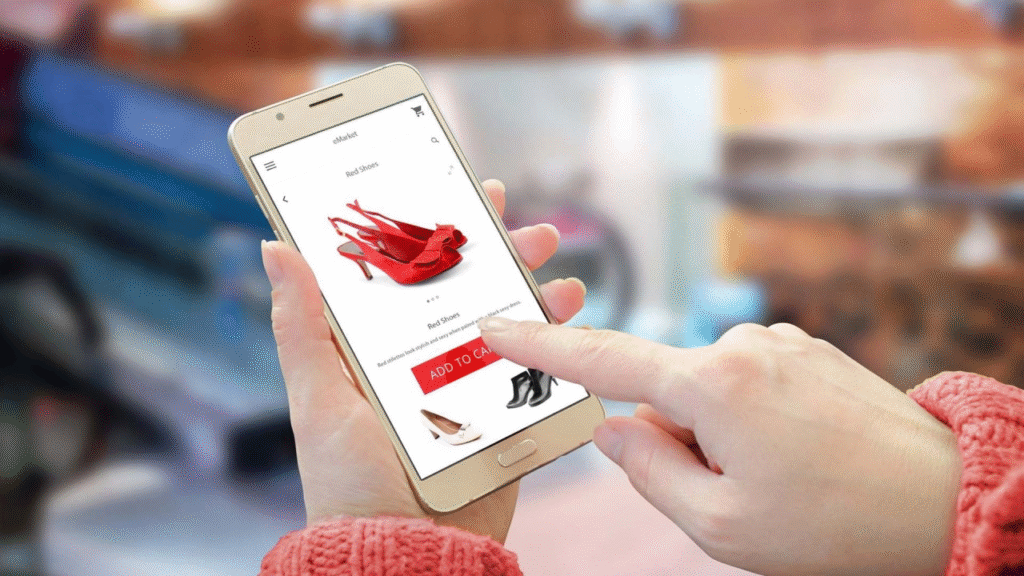
Because online shoppers cannot hold or test your products in person, your imagery must build instant trust and communicate product value.
                      Visual Checklist for Etsy Listings

  [ Top Priority ]    [ Detail Shots ]       [ Scale & Context ]     [ Video ]
  Bright, clear       Close-up of textures,  Product held in hand,   5-15 sec clip
  hero photo on an    materials, seams, or   placed on a desk, or    showing build quality
  uncluttered background  print details      styled in a room        or item in motion
- Lighting: Shoot photos using bright, indirect daylight to show true product colors without harsh glare or dark shadows.
- Context & Scale: Include lifestyle shots that show how big the item is in relation to everyday objects.
- Add a Listing Video: Short 5-to-15-second video clips help show texture, light reflection, and functionality, giving buyers the confidence to check out.
FAQs
1.How much money do I need to start an Etsy shop?
You can launch an Etsy shop with minimal capital. The primary fixed platform cost is the $0.20 USD listing fee per item. Digital sellers can start for under $10, while physical product creators need enough capital to cover raw materials, packaging, and shipping supplies.
2.What is the difference between physical and digital products on Etsy?
Physical products require physical storage, packaging, and shipping for every sale. Digital products (like PDFs, printables, or graphic templates) are uploaded once and automatically delivered to the buyer upon checkout, making them highly scalable.
3.Do I need a registered business or trademark to sell?
Etsy does not require you to hold a formal business license to open a shop. Most individual creators start as sole proprietors using their legal personal details. However, you must follow local tax laws, register for licenses if required by your city/state, and avoid infringing on trademarked brand names or copyrighted characters.
4.How do I offer free shipping without losing money?
To cover free shipping costs, build the estimated postage price directly into your item’s base price. Offering free shipping (or a free shipping guarantee on US orders over $35) can help improve your listing visibility in search results.
5.How long does it take to get your first sale on Etsy?
First sales vary depending on product demand, search optimization, and visual quality. Shops with well-researched tags, bright photography, and competitive pricing often see their first sale within 2 to 4 weeks, while unoptimized listings may take longer.