
The dream of making a living on your own terms has changed dramatically over the last few years. Step back a decade, and launching an e-commerce brand required a team of specialized developers, tens of thousands of dollars in upfront capital, and months of technical headaches.
Fast forward to 2026, and the digital landscape looks completely different. Today, starting an online business is no longer reserved for massive corporations or tech wizards with deep pockets. Thanks to user-friendly e-commerce platforms like Shopify, almost anyone with a passion, a unique product idea, or a specialized skill set can open a professional storefront and start selling to customers across the globe.
Whether you want to build a weekend side hustle for extra cash, turn a creative hobby into a personal brand, or leave your 9-to-5 job behind to run a full-time business, your journey starts in the same place: choosing the right foundation.
Shopify has earned its reputation as the gold standard of modern e-commerce because it hands you the keys to a complete business infrastructure inside a single, intuitive dashboard. Through its accessible trial setup, you can jump in, experiment with site designs, add your products, test different layouts, and figure out how everything works before committing to big expenses.
By unifying payments, shipping logistics, inventory management, and customer marketing into one simple system, Shopify eliminates the technical friction. That leaves you free to focus on what actually moves the needle: connecting with people and growing your brand.
Why Online Selling Continues to Boom in 2026
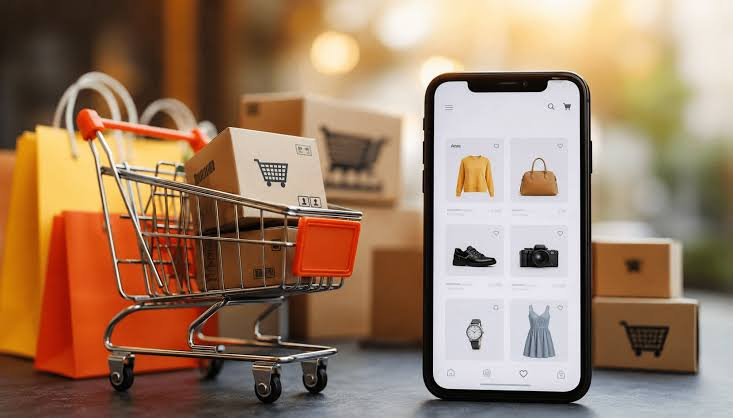
Online shopping isn’t a passing trend—it is the baseline expectation for how modern commerce operates. Consumers today expect every business, big or small, to offer a fast, mobile-friendly website where they can discover products, read real customer reviews, and check out in just a few taps.
This ongoing shift in consumer behavior has leveled the playing field, opening incredible doors for independent creators, niche makers, and first-time entrepreneurs.
Crucially, running a digital store in 2026 isn’t limited to holding physical stock in a warehouse and taping up cardboard boxes every evening. Modern online storefronts generate reliable income across many different business models:
- Digital Downloads: E-books, printable daily planners, design assets, software presets, and digital artwork that require zero physical storage.
- Knowledge & Education: Online workshops, video courses, downloadable guides, and private group memberships.
- Print-on-Demand: Custom apparel, mugs, home decor, and merchandise that are printed and shipped automatically by third-party suppliers only after a customer places an order.
- Handcrafted Goods: Artisan soaps, custom jewelry, small-batch home items, and specialty food products crafted at home.
- Subscriptions & Services: Monthly recurring product boxes, strategy consultations, or ongoing maintenance packages.
The real magic of this model comes down to total flexibility. Unlike a traditional brick-and-mortar storefront tied to physical location hours, your online store operates non-stop. It accepts orders, processes payments, and sends confirmation receipts automatically while you sleep, travel, or spend time with family.
What Makes Shopify So Beginner-Friendly?
Trying to code a secure website from scratch used to mean wrestling with complex databases and hiring expensive software engineers. Shopify flipped that model on its head by turning store creation into a visual, straightforward process.
1. No Coding or Technical Experience Required
You do not need a degree in computer science or a working knowledge of HTML to build an online store that looks like a high-end agency designed it. Shopify gives you access to a library of sleek, responsive themes. You can pick a design template that fits your style, adjust the color palette to match your brand, drag and drop content blocks into place, and publish a clean layout in an afternoon.
2. Smart AI and Built-In Automation
Modern e-commerce moves fast, and built-in artificial intelligence tools help solo entrepreneurs punch above their weight class. Shopify integrates smart AI features right into the editor. You can use built-in tools to draft creative product descriptions, generate high-converting email subject lines, analyze sales trends, and automate repetitive tasks like sending order updates or abandoned cart reminders.
3. An Ecosystem That Grows With You

Whenever you need your website to do something specialized, there is almost certainly an application built for it. The Shopify App Store offers thousands of easy-to-install add-ons for email marketing, live chat support, customer loyalty programs, automated tax compliance, and social media shop integrations. You can start with a simple, lightweight site and plug in powerful sales tools as your revenue increases.
How to Get the Most Out of Your Free Trial
Think of your free trial period as a risk-free Sandbox. Instead of rushing to publish your store on day one, take your time to explore the backend, test out features, and build out your brand identity without stress.
To help you stay focused during setup, work through this foundational checklist:
- Select a Clean, Mobile-Ready Theme: Pick a functional template that aligns with your product category. Always test how it displays on your smartphone, as mobile usability is critical.
- Organize Product Listings: Upload clear photos, write descriptive summaries, set accurate prices, and organize items into logical collections (like “Best Sellers,” “Under $50,” or “New Arrivals”).
- Configure Payment & Shipping Rules: Decide on your shipping rates—such as simple flat-rate shipping, free shipping over a specific dollar amount, or calculated carrier rates—and activate payment gateways like Shopify Payments, PayPal, or Apple Pay.
- Publish Core Information Pages: Build out an “About Us” page that shares your story, a simple “Contact Us” form, and legal policy pages covering refunds, privacy terms, and shipping timelines.
- Run a Test Transaction: Place a simulated order through the checkout system to confirm that payments process smoothly, confirmation emails trigger correctly, and the buying experience feels frictionless.
Finding a Profitable Business Idea
You don’t need a revolutionary, top-secret invention to build a successful online business. In fact, most thriving e-commerce brands succeed simply by taking a popular product category and serving a specific group of people better than the competition.
When evaluating potential ideas, look for the sweet spot where your personal interests, market demand, and healthy profit margins intersect:
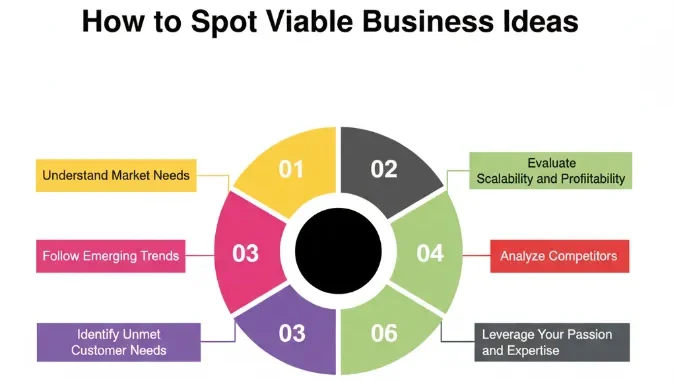
- Focus on Specific Niches: Selling general “workout clothes” puts you in direct competition with global mega-brands. Selling “ethically sourced activewear tailored for tall women” gives you a defined, highly targeted audience that is much easier to reach with marketing.
- Solve a Direct Problem: Products that save people time, eliminate a daily frustration, or support a specific lifestyle habit naturally convert visitors into buyers faster than non-essential items.
- Leverage Digital Products: If you want to keep startup overhead ultra-low and eliminate shipping logistics entirely, selling downloadable guides, templates, or digital art delivers incredible profit margins with minimal friction.
Designing a Storefront That Builds Instant Trust
When a new user lands on your website for the first time, you have only a few seconds to capture their attention and prove your business is legitimate. If your site feels cluttered, confusing, or outdated, shoppers will bounce right back to Google and purchase elsewhere.
To build immediate credibility with first-time shoppers, keep these essential design rules front and center:
Prioritize Mobile Usability
More than 60% of online sales now take place on mobile devices. If your buttons are too small to tap, your text is hard to read, or your images slow down load times on a phone, you will lose sales. Always design and review your site from a mobile-first perspective.
Invest in Visual Clarity
Since online shoppers can’t physically hold, feel, or try on your products, high-quality visuals do the heavy lifting. Use bright, well-lit photography that shows your items from multiple angles, and include lifestyle shots showing your products being used in real life.
Streamline Your Navigation
Make finding products completely effortless. Keep your primary menu short and organized using obvious labels like Shop, Collections, Our Story, and Help. If visitors have to search endlessly to find what they want, they will leave.
Display Clear Trust Signals
Reduce buying hesitation by placing trust badges, secure checkout icons, clear return policies, and transparent shipping estimates near your add-to-cart buttons. Highlighting authentic reviews and photo testimonials from real customers is one of the most powerful ways to build conversion rates.
Simple Marketing Strategies to Drive Your First Sales
Building a clean, professional online store is a major milestone, but it’s only half the equation. Once your doors are open, you need a proactive plan to attract steady traffic to your site. The good news? You don’t need a massive ad budget to generate momentum.
       [ Traffic Sources ]
        /       |       \
       /        |        \
( Search SEO ) ( Social ) ( Email Marketing )
       \        |        /
        \       |       /
      [ Conversions & Sales ]
1. Optimize for Search Engines (SEO)
Search Engine Optimization (SEO) involves structuring your store content so search engines like Google can understand what you sell and show your site to relevant searchers. Shopify builds basic technical SEO directly into its platform—generating clean URLs and letting you edit meta descriptions and image alt tags easily. By writing detailed product descriptions and publishing helpful, niche-specific blog content, you can attract steady organic traffic over time without paying for ads.
2. Build a Presence on Social Media
Platforms like Instagram, TikTok, Pinterest, and YouTube are ideal visual engines for showcase-driven products. Instead of broadcasting dry, direct sales pitches, share short, engaging videos that highlight your products in action. Show behind-the-scenes glimpses of your design process, share packing orders on camera, or post useful tips that provide real value to your target audience.
3. Capture Emails Early
A huge percentage of first-time website visitors won’t purchase right away. If they leave without giving you their contact info, you may never reach them again. Offer a simple incentive—like 10% off their first order or a helpful downloadable guide—in exchange for their email address. Building an email list gives you a direct line to send welcome sequences, announce product restocks, and share exclusive sales promotions directly to interested buyers.
FAQs
1.What is the Shopify free trial and how does it work?
The free trial gives you full access to Shopify’s core features so you can set up your store dashboard, pick a visual theme, upload product catalog items, and configure settings without paying upfront subscription fees. It offers a risk-free workspace to build and refine your site before opening for business.
2.Do I need coding or web design skills to use Shopify?
No. Shopify is built specifically for users without technical backgrounds. It relies on visual drag-and-drop page builders, customizable themes, and straightforward configuration menus. You can build, launch, and manage a complete digital business without writing a single line of code.
3.Can I sell digital files or services instead of physical goods?
Yes! Shopify supports physical products, digital downloads (like e-books, printables, and software assets), online courses, consulting services, ticketed events, and recurring membership subscriptions using simple, dedicated apps from the Shopify App Store.
4.How much money do I need to start a Shopify business?
Your initial startup costs depend heavily on your chosen business model. If you use print-on-demand, dropshipping, or sell digital downloads, upfront inventory investment is virtually zero. Beyond platform subscription costs after your trial, your primary starting expenses typically include securing a custom web domain (around $10–$15 per year) and any initial marketing expenses.
5.How fast can I expect to make my first sale?
There is no fixed timeline because sales depend directly on your marketing execution, product demand, and traffic strategy. Some owners generate their first sale within hours by leveraging an existing social media audience, email list, or personal network. Others build up consistent traffic steadily over several weeks through organic SEO, content marketing, and targeted search ads.