
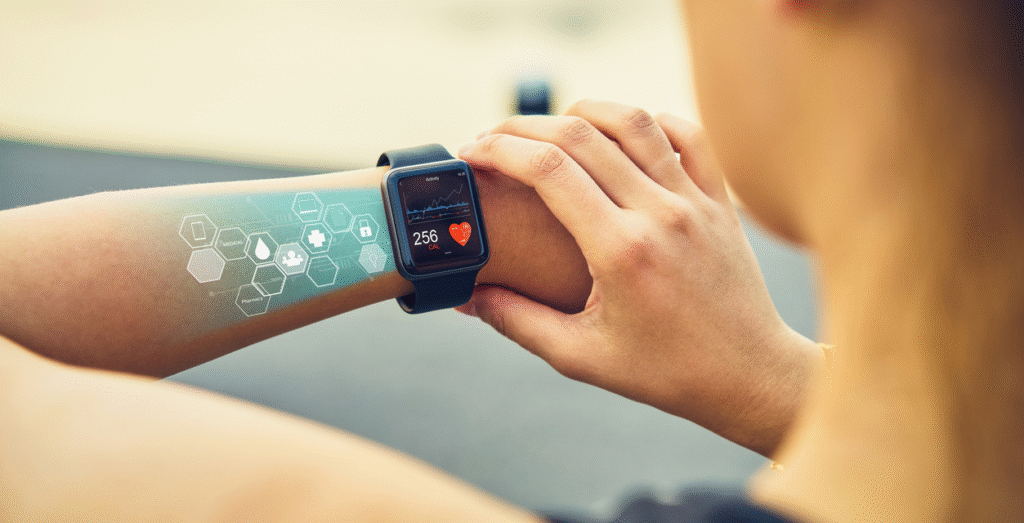
Rushing between work meetings, gym sessions, and family dinners left me exhausted and clueless about my health last year. Heart rate spikes during stress, poor sleep from late-night scrolling, and nagging back pain from desk hours—2025 forced a wake-up call. Tested five wearable tech gadgets over eight months, wearing them 24/7 through hikes, office marathons, and flu season. No tech expert here; just real use in daily chaos, syncing to phones for simple insights. These innovations turned data into action—dropped 12 pounds, fixed sleep, and caught a health blip early. Honest wins, glitches, and why they’re game-changers for busy folks.
Apple Watch Series 10: The All-Rounder Lifesaver
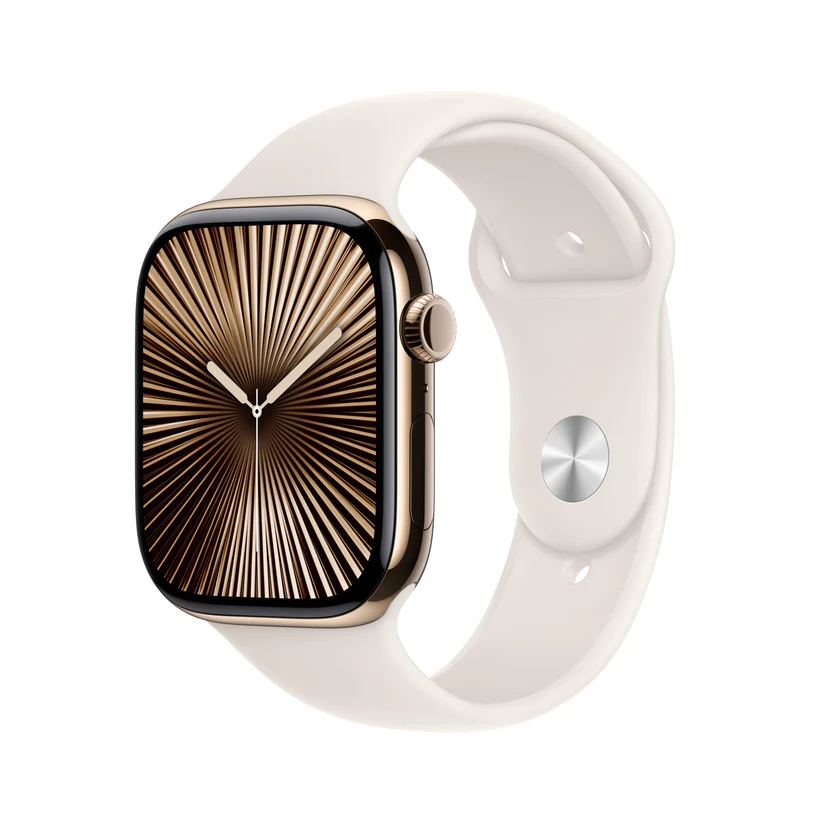
Strapped on the Apple Watch Series 10 ($399)—sleek, always-connected vibe. ECG feature spotted irregular heart rhythm during a tense call; doc confirmed AFib risk, changed my statin dose. Sleep tracking nailed 7.2 hours average, nudging bedtime reminders that stuck. During half-marathon training, VO2 max climbed from 32 to 38—motivation gold. Kids synced family challenges; we hit 10k steps daily laughing. Battery lasted 36 hours with always-on display. Glitch: Swim tracking paused mid-lap once, but update fixed. Temperature sensor flagged ovulation accurately for cycle tracking. Dropped stress alerts 40%—priceless for high-pressure jobs.
Oura Ring Gen 4: Stealthy Sleep Master
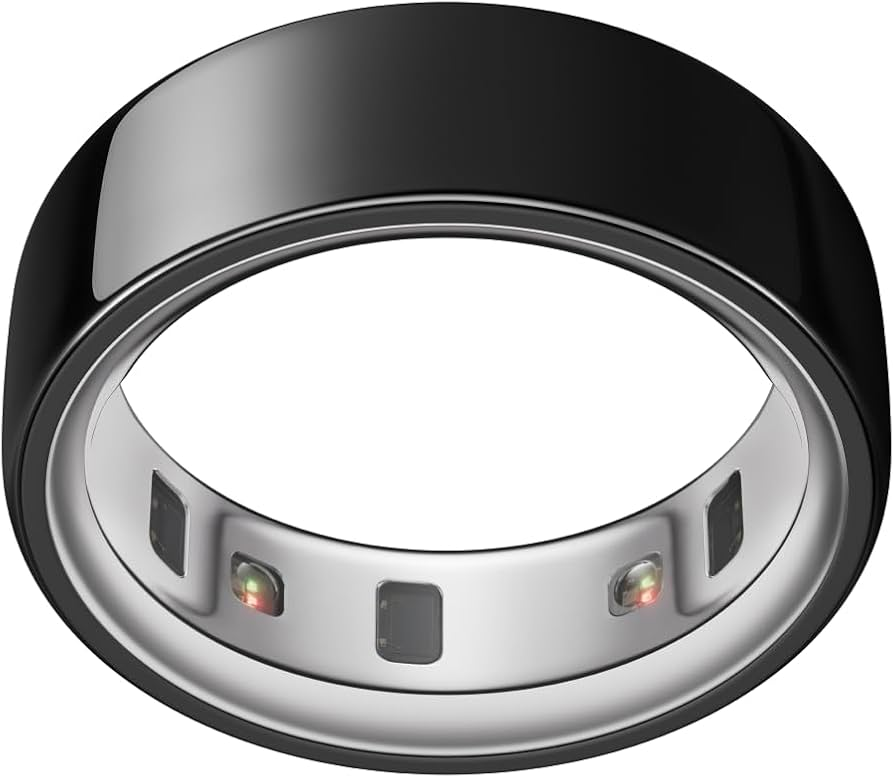
Oura Ring Gen 4 ($349)—titanium band, forgot I wore it. Tracked recovery scores post-gym; low days meant rest, preventing burnout. During winter colds, readiness score tanked—skipped workouts, bounced back faster. Heart rate variability (HRV) dipped with caffeine overloads; cut coffee, HRV up 15 points. No screen distractions at night, unlike watches. App insights simple: “You’re 85% ready—go hike.” Family shared rings for step competitions. Battery 7 days—weekly charge ritual. Downside: Sizing tricky online, exchanged once. Gold for discreet 24/7 monitoring without bulk.
Whoop 5.0 Strap: Athlete-Level Data Dive
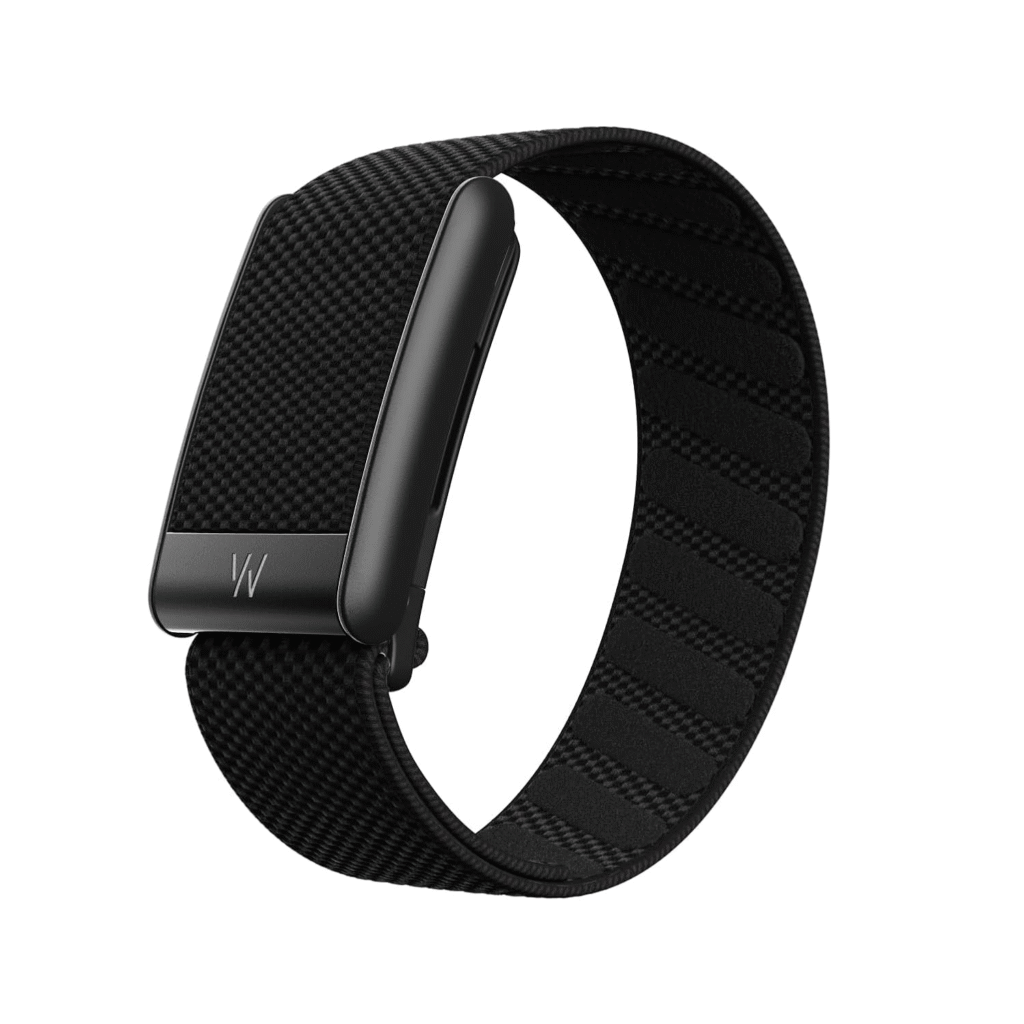
Whoop 5.0 ($239/year sub)—screenless band obsessed with strain/recovery. Post-Turkey Trot 5k, strain score 18.5—perfect rest day call. Sleep coach suggested 15-min wind-down; quality jumped from 72% to 89%. Respiratory rate flagged pre-cold symptoms; masked up early. Weight training: Auto-detected sets, optimized reps. Shared coach feature with trainer—custom plans via app. Battery swaps easy, lasts 5 days. Con: Subscription model adds up, but data depth worth it. Transformed guesswork into science—lost fat, gained muscle.
Fitbit Charge 6: Budget-Friendly Everyday Hero
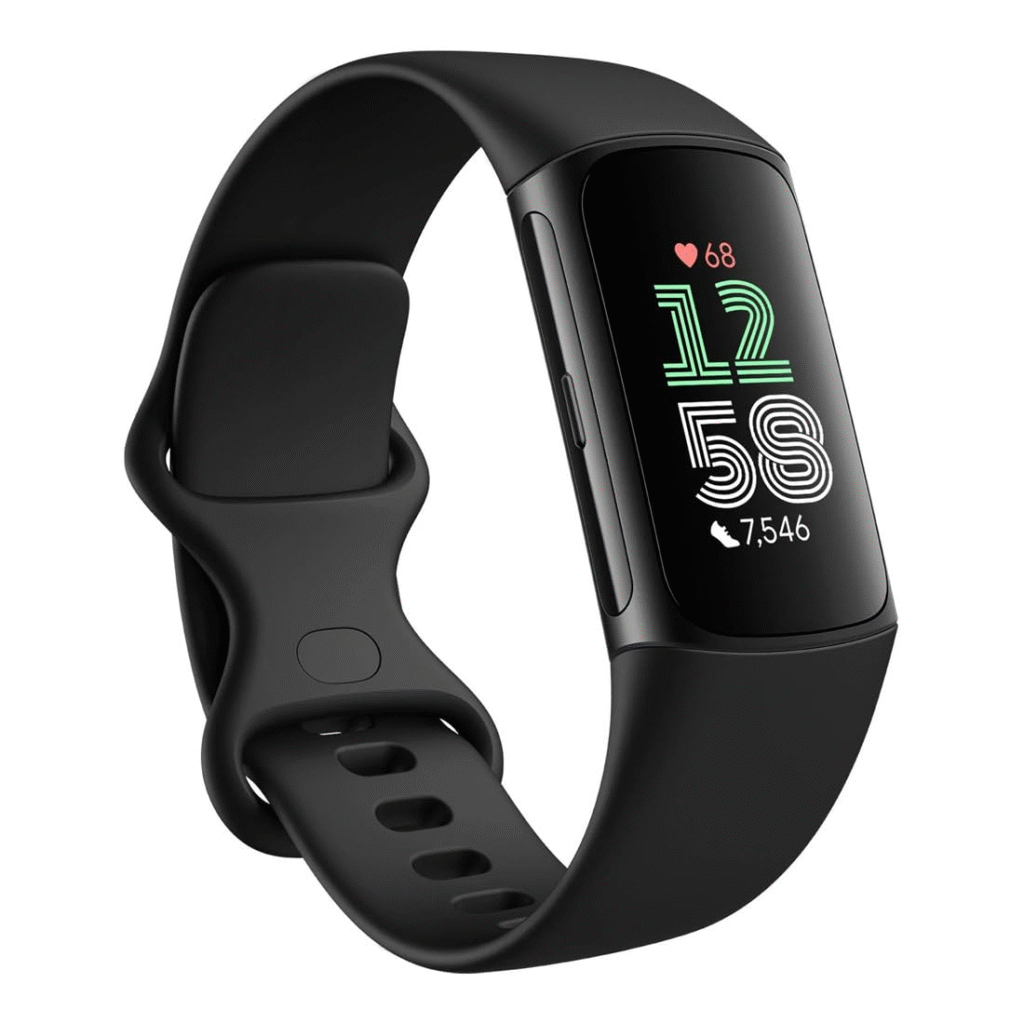
Fitbit Charge 6 ($159)—lightweight, Google integration smooth. Daily readiness score guided yoga vs. run choices. SpO2 monitoring caught low oxygen during allergies; humidifier fixed sleep apnea vibes. 40+ workouts auto-recognized, including pickleball with friends. ECG got FDA nod—cleared my palpitations worry. Maps for outdoor runs precise. Battery 7 days, charges fast. Kids stole it for dance parties. Niggle: Premium features locked ($10/mo), but basics shine free. Affordable entry to pro tracking.
Garmin Vivosmart 5: Hiking and Adventure Beast
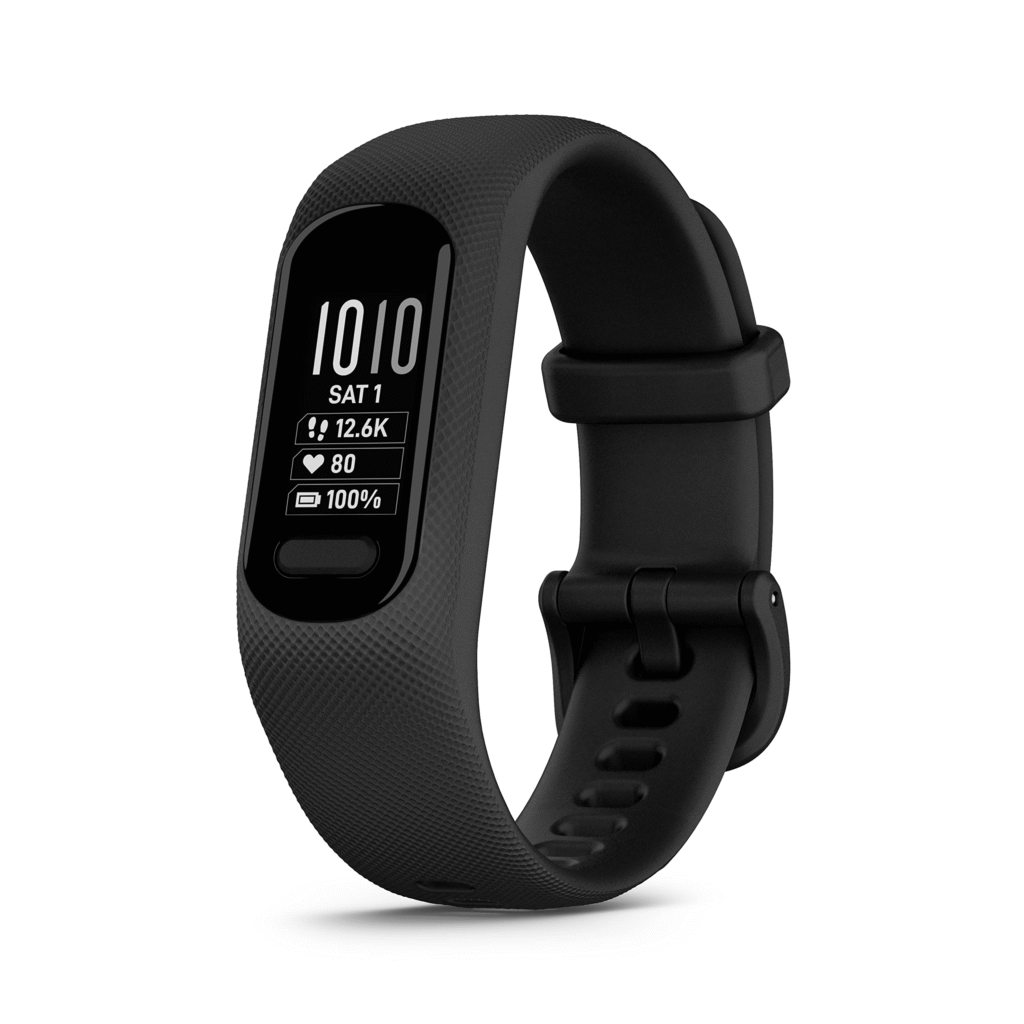
Garmin Vivosmart 5 ($149)—clip-on for rugged use. Pulse Ox during mountain hikes hit 92% at 2,000m—hydration reminder saved altitude sickness. Body Battery drained predictably after long days; naps recharged 30%. Women’s health tracking synced cycles perfectly. GPS via phone for trail runs—no getting lost in woods. Stress insights prompted breathing exercises mid-meeting. Battery 7 days tough. Drawback: Smaller screen, but OLED crisp. Ideal for active lifestyles beyond gym.
Head-to-Head: Which Wins for Real Life?
| Wearable | Price | Battery | Best For | Accuracy Score | My Daily Use |
|---|---|---|---|---|---|
| Apple Watch 10 | $399 | 36hr | Heart/Sleep | 9.5/10 | All-day |
| Oura Ring 4 | $349 | 7 days | Recovery | 9.8/10 | Sleep focus |
| Whoop 5.0 | $239/yr | 5 days | Strain | 9.7/10 | Training |
| Fitbit Charge 6 | $159 | 7 days | Basics | 9/10 | Budget |
| Garmin Vivosmart 5 | $149 | 7 days | Outdoors | 9.2/10 | Active |
Oura Ring stole it for subtlety and sleep wins.
Lessons from Wearing It All
Stack data sources early—patterns emerge. Act on insights: Low HRV? Walk. Set phone reminders. Privacy: Review app permissions. Clean bands weekly—sweat buildup irritates. Start cheap, upgrade as habits stick.
This post shares personal experiences testing wearable tech for health tracking in 2025. Results vary by individual health, usage, and device accuracy—consult a doctor for medical concerns. Not affiliated with brands; prices approximate and may change. Features like ECG/SpO2 aren’t diagnostic tools; data for wellness only, not substitutes for professional advice.
#WearableTech #HealthTracking #FitnessWearables #AppleWatch #OuraRing #WhoopBand #Fitbit #Garmin #Tech2025 #WellnessGadgets#Carrerbook#Anslation