
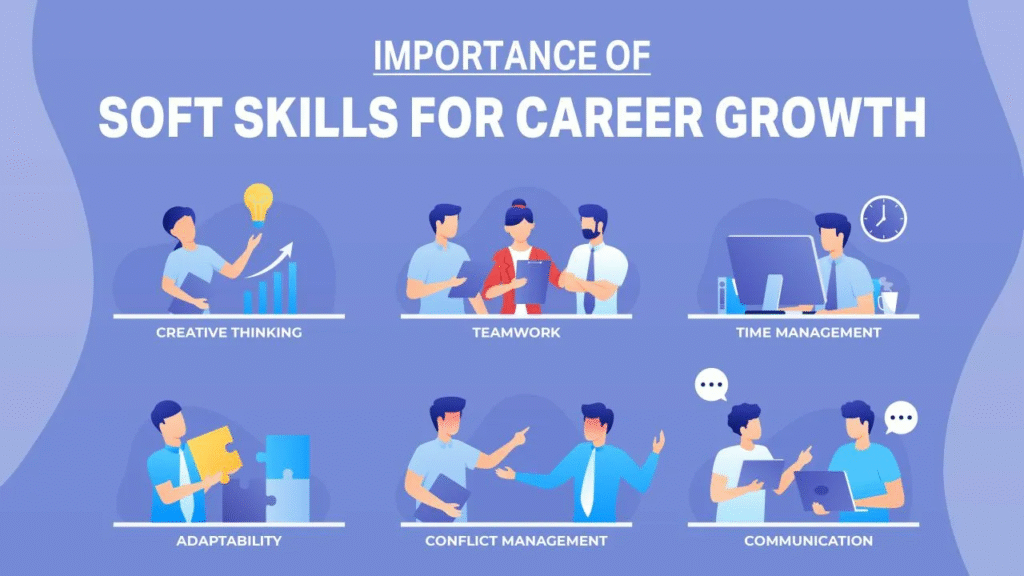
When I started my professional career, I also believed that the more hard work, the more success you achieve . Just work 12 hours a day, and your boss will be happy! But as the years went by, I learned one thing: In today’s world, success isn’t just about how much you work . It’s about how smartly you work, how you handle problems, and how you connect with people.
This blog is a kind of Lessons Learned Diary for me . I’m sharing the 10 “Must-Have” skills that truly shaped my career. These aren’t bookish facts, but rather my own experiences learned through trial and error.
If you are also looking for professional growth, then these skills can prove to be a game changer for you.
1. Communication: Not just talking, but connecting

In the past, I used to think communication was simply about getting your point across. I had a project where I gave my team instructions in a rush. The result? Everyone misunderstood the situation, and the work was completely ruined.
That day I learned: Communication is about noise control . It comes not just from speaking clearly, but from listening carefully and making sure the other person understands what you’re saying .
“My mantra:Pause before you speak, and always write your emails in ‘plain language.’ Save time, reduce stress.
2. Time Management: Don’t Let the To-Do List Be Your Boss
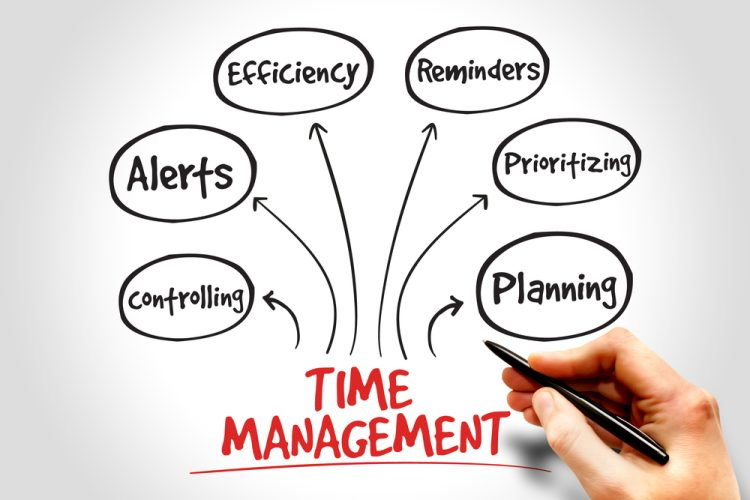
My early career was spent in constant deadline panic . My to-do list was like a long grocery list that I could never complete. I rushed every day, yet I always fell behind.
I adopted the “Eat The Frog” technique (doing the hardest tasks first thing in the morning) and started breaking down large tasks into smaller, digestible pieces.
“Magic happened! Now I don’t rush, but control my own speed. Time management makes us masters of our lives , not just our work.“
3. Adaptability: Learn to befriend “Change”
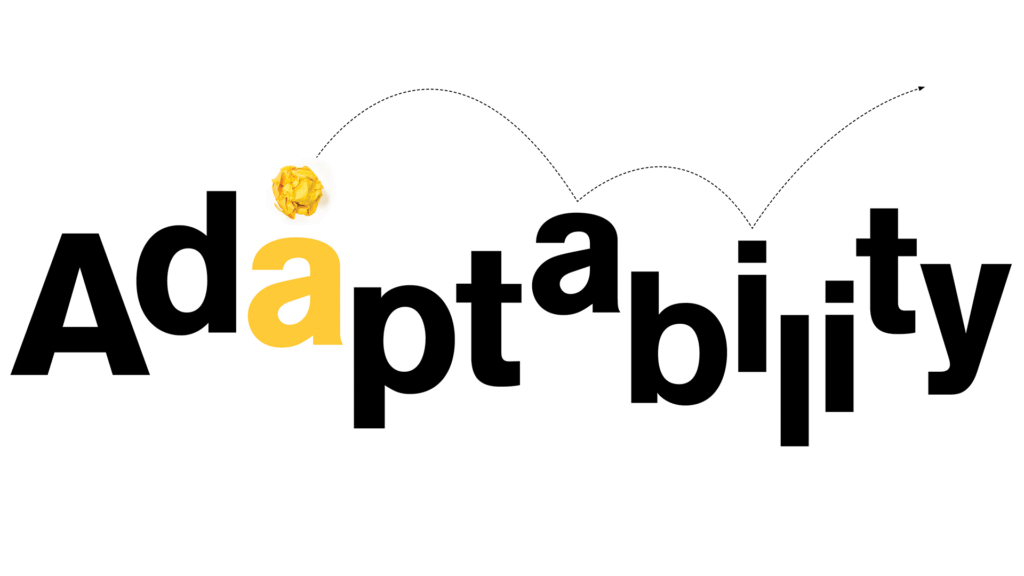
The workplace changes so rapidly today that yesterday’s “new normal” is outdated today. I remember when our entire team had to switch to a complex new software overnight. Many of my coworkers were upset.
I considered that change a new learning challenge . Adaptability doesn’t mean crying, but rather thinking: “Okay, what’s the new rule now?”
Those who flow with change never drown. This is the greatest survival skill in today’s world.
4. Problem-Solving Ability: Don’t Panic, Be a Planner

Every day there’s some kind of “fire” at work—whether it’s a client complaint or a system crash.
Once, our team made a huge mistake. Everyone was blaming each other. I said, “Wait. We’ll figure out who’s responsible later. What can we do right now? “
Problem-solving means staying calm during difficult times, understanding the cause, and finding practical solutions . This sets you apart from the crowd.
5. Teamwork and Collaboration: It’s better to walk together than to run alone

We all think we can do everything alone. But working as a team means you have the power of many minds .
I’ve noticed that when team members work in their own silos, the output is mediocre. But when we brainstorm together, productivity doubles .
Remember: the stronger you are, the stronger your team is.
6. Emotional Intelligence (EQ): Take control of your own remote
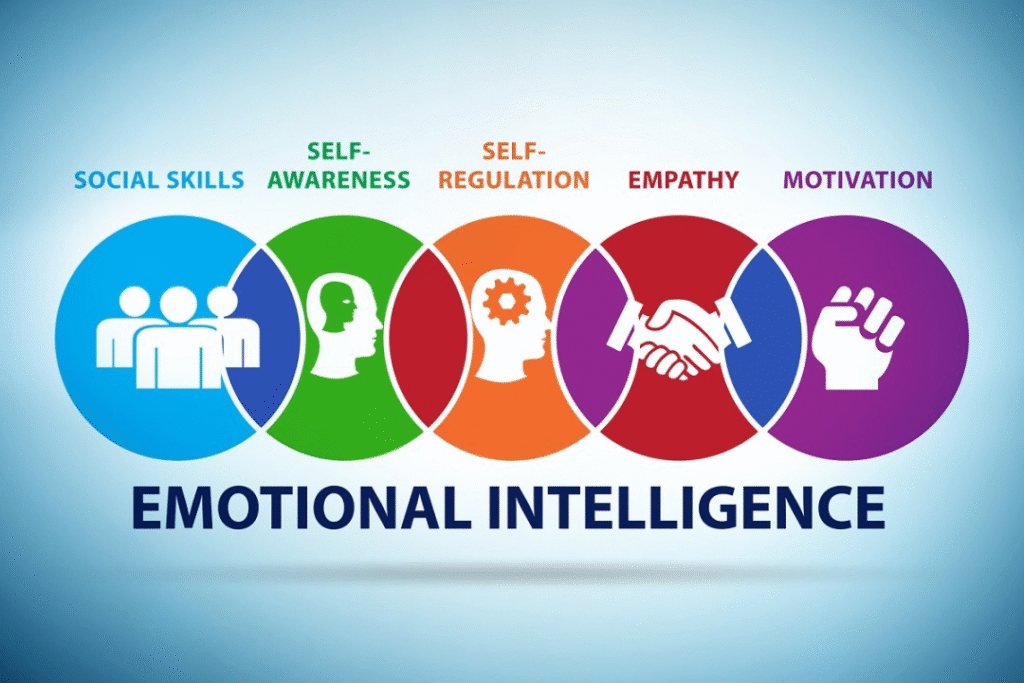
I learned this skill the hard way. In a moment of stress, I snapped at a coworker, and I immediately felt embarrassed.
EQ means understanding your anger, frustration, and stress, and managing them wisely . This helps you build better relationships with people and create a positive work environment. It ‘s the “soft power” of the professional world.
7. Leadership Skills: Initiative is important, not the chair
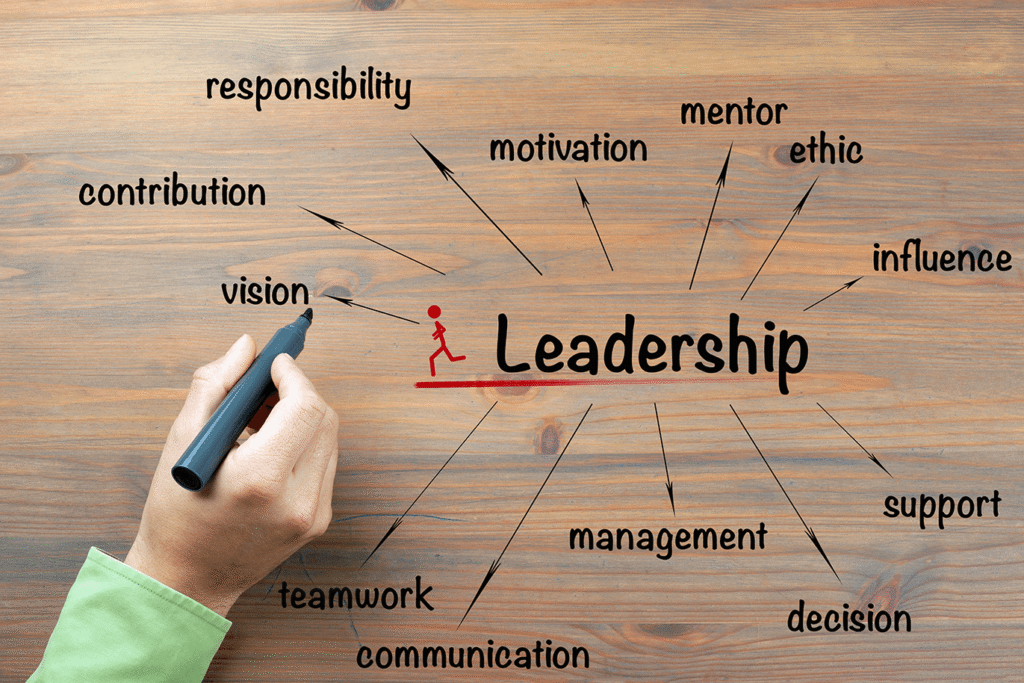
I always thought leadership was only a manager’s job. But I once took the initiative and started a new knowledge-sharing session for the team , which increased our efficiency.
Senior management immediately took notice of this initiative. Leadership isn’t just about position ; it’s about taking responsibility, inspiring others, and stepping up to solve problems .
8. Creativity and Innovation: Asking “Why not?”
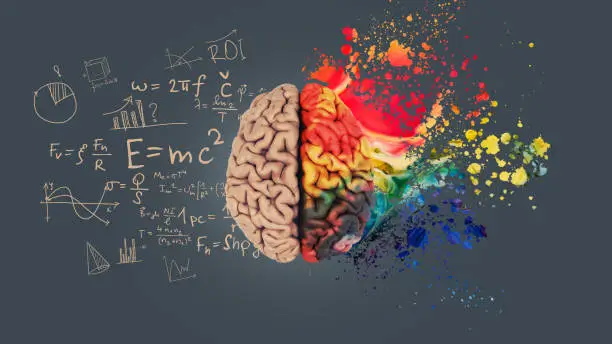
Creativity isn’t just about art. It’s about finding new and better ways to do things.
One time, we had a task that was taking a lot of time. I suggested a small workflow change that saved hours of effort.
Creativity doesn’t mean making some great invention—it’s simply asking: “Can we do this better?”
9. Technical Skills: Understanding today’s language

No matter what field you’re in, you have to live in a digital world. In the early days, I was intimidated by spreadsheets and project tracking tools.
When I learned some basic technical tools, my independence and confidence increased. Technical skills are a minimum requirement in today’s job world.
10. Self-Motivation: Turn the key to your own engine
Everyone has days in their career when they feel tired and unmotivated, and I’ve felt like giving up many times.
But I realized that external motivation is like coffee—it works for a while. Self-motivation is a habit. I set small goals and constantly reminded myself why I chose this career.
When everything seems difficult, the power to push yourself forward is within you.
Final Word: Small Steps, Big Change
Success isn’t a race where you have to learn 10 skills all at once. It’s a journey. My advice to you would be: pick one of these skills that is most important to you right now, and work on it honestly for 30 days . You’ll find that these simple habits will not only change the way you work, but also open doors to new, better career opportunities
This blog is based purely on my personal experiences, observations, and opinions. The work skills mentioned may vary in relevance depending on different industries, roles, and individual circumstances. This content is not professional career advice but a personal perspective meant to inspire and guide readers. Please adapt the information according to your own work environment and needs.
#WorkSkills #CareerGrowth #ProfessionalDevelopment #WorkplaceSuccess #SkillBuilding #CareerTips #PersonalExperience #ProductivityHacks #ModernWorkplace #SelfImprovement#Carrerbook#Anslation